
In the age of hyper-connectivity, the pursuit of a truly off-the-grid experience is more appealing than ever—there’s never been a better time to venture into the wild. And, as a travel writer, I’ve followed this instinct on explorations from sea to shining sea, visiting all 50 states in search of the sublime. The danger, of course, is that the act of travel itself will imperil the natural beauty of the landscape.
A remarkable variety of private enterprises within the hospitality industry are devoted to maintaining and developing the conservation practices that protect the landscapes we travel for. To that end, I’ve rounded up the best places to stay to preserve the beauty of America’s wide open spaces—from island retreats off the coast of Florida to aurora-viewing igloos in the Alaskan interior. Read on for your guide to eight exceptional hotels—each one a masterclass in how extraordinary hospitality and genuine stewardship go hand in hand.
Featured Wild-Place Hotels in the U.S.
- Triple Creek Ranch, Montana
- Islander Resort, Florida Keys
- Eleven Sopris House, Colorado
- Four Seasons Resort Lānaʻi, Hawaiʻi
- Rusty Parrot Lodge, Wyoming
- Alila Ventana Big Sur, California
- Lone Mountain Ranch, Montana
- Borealis Basecamp, Alaska★ Our Pick
Triple Creek Ranch
Montana
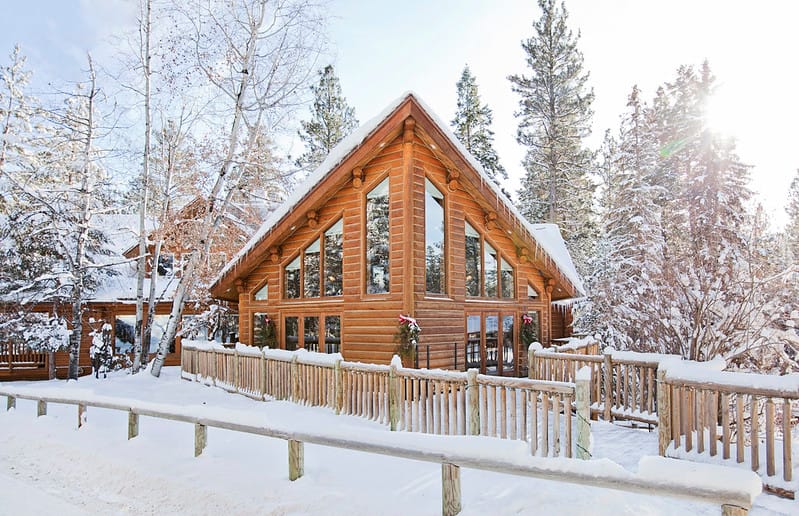
Discover the underrated Bitterroot Valley, a magnificent expanse of rolling hills and open fields in western Montana, with the Sapphire Mountains to the east and the Bitterroot range to the west. Triple Creek Ranch in Darby is the perfect spot for an elevated guest ranch experience, with horseback riding, Nordic skiing, snowshoeing, and an extensive western arts program. The ranch is devoted to sustainability, planting over 100,000 trees and implementing an award-winning gravity-fed irrigation system for pastures. All the fencing on the property is wildlife-friendly. Triple Creek partners with the Rocky Mountain Elk Foundation to preserve local habitats.
The Green Scene
Triple Creek Ranch backs its wilderness setting with on-the-ground action, from planting over 100,000 trees to using an award-winning gravity-fed irrigation system that cuts energy use on its pastures. Wildlife-friendly fencing and support for the Rocky Mountain Elk Foundation extend that care beyond the ranch boundary into the broader Bitterroot Valley.
Islander Resort
Florida
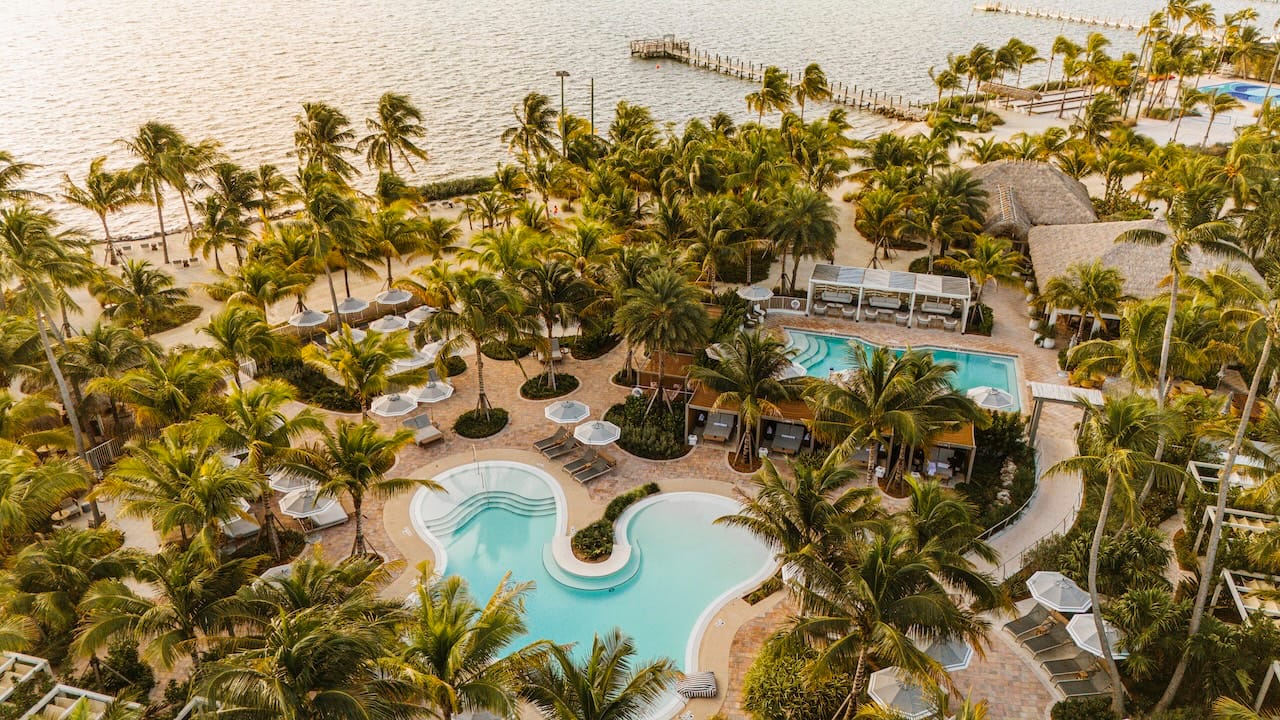
This beachside retreat in Islamorada is an oasis in the Florida Keys dedicated to preserving the wild beauty of the surrounding reefs and waterways. The Islander hosts a weekly coastal cleanup every Monday and partners with the Save Alligator Lighthouse nonprofit, as well as the Florida Fish and Wildlife Foundation—guests contribute every time they order a Reef Relief cocktail, a delectable rum and pineapple concoction. The Islander amplified its sustainable practices after a comprehensive renovation last year: As of January 2025, the property boasts hurricane-resistant (and energy-efficient) infrastructure, including on-site water reclamation and solar panels that reduce fossil fuel reliance, supplying 45% of the resort's energy.
The Green Scene
A major green retrofit means Islander now uses a large solar array that supplies roughly 44–45% of the resort’s energy, paired with on-site water reclamation and efficiency upgrades throughout the property. Weekly coastal cleanups and support for Save Alligator Lighthouse and the Florida Fish and Wildlife Foundation ensure guest spending directly benefits Keys reefs and wildlife.
Eleven Sopris House
Colorado
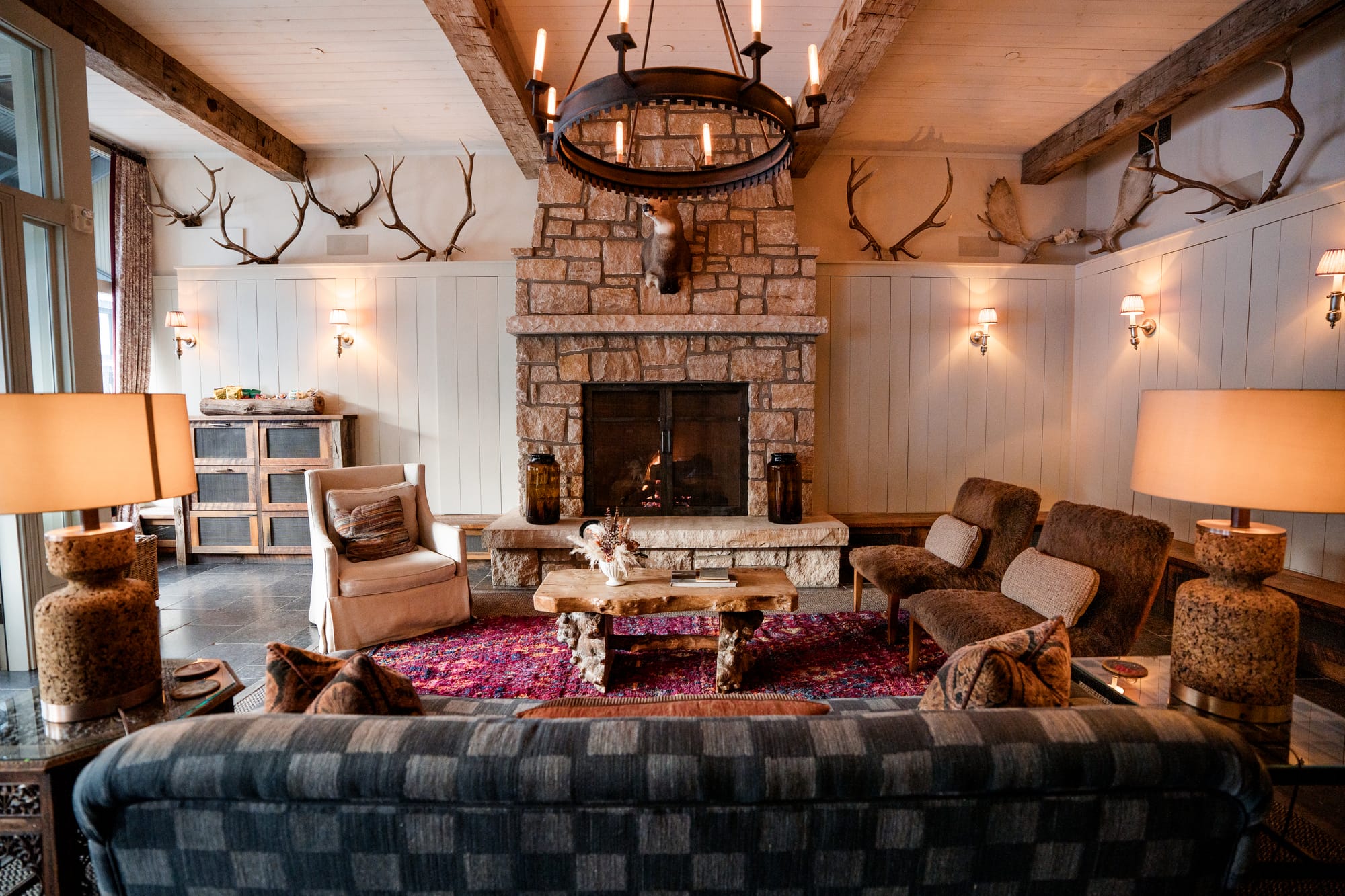
Book a stay at Eleven Sopris House in Crested Butte, Colorado, to experience pristine, off-piste skiing (their cat-skiing operation in Irwin is top-notch), and ultra-luxurious amenities. Eleven Experiences prioritize sustainable, guided adventures that offer exclusive access to unspoiled nature, with an emphasis on conservation. In Crested Butte, Sopris House utilizes a solar and geothermal energy system and helps to protect the surrounding wilderness through preservation efforts on the Taylor River. The company also offers tax-deductible “Eleven Offsets” for guests to counteract the carbon footprint of their travel.
The Green Scene
Sopris House runs on a mix of solar and geothermal energy, lowering its footprint while keeping mountain comforts high in Crested Butte. Through river-focused conservation work and its optional “Eleven Offsets” program, the brand helps guests channel their adventure travel into tangible support for the landscapes they explore.
Four Seasons Resort Lāna’i
Hawaii
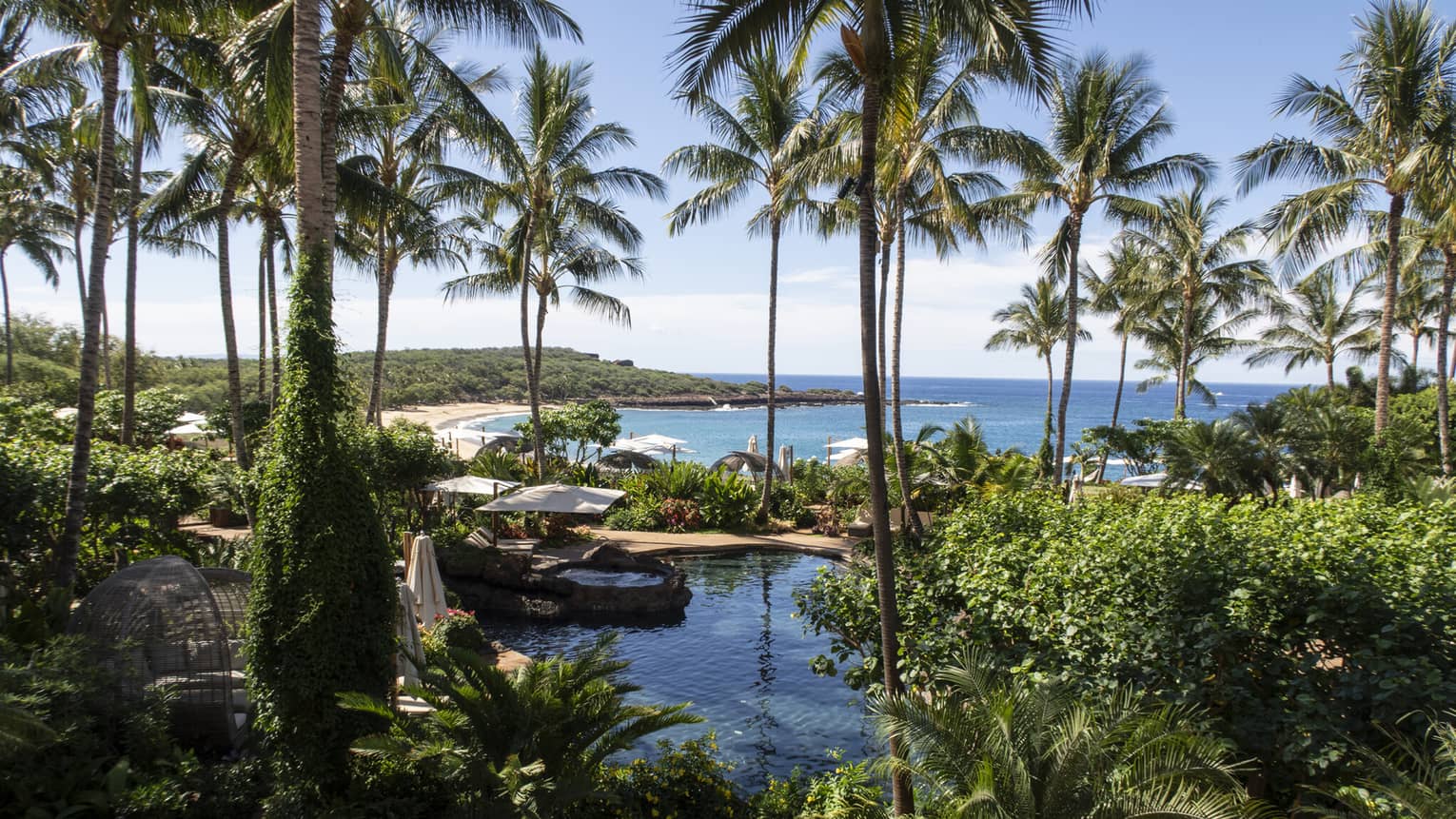
The Four Seasons Lāna’i is, quite simply, one of the most romantic resort experiences in the United States—all clifftop infinity pools, whale-watching at sunset, and the kind of unhurried luxury that feels genuinely rare. What sets it apart is a conservation commitment as serious as its service standards: the property is deeply devoted to preserving the island’s flora and fauna, and a stay here feels like genuine participation in something meaningful. The Lāna’i Pledge outlines its goal, specifically the kuleana (responsibility) of visitors to the island—from leaving no trace to respecting cultural sites. A key focus is reforestation, as the island was ravaged by overgrazing and non-native species. They recently introduced wild bee pollinator hotels, earning recognition from the Xerces Society, an international conservation nonprofit. The property partners with Pūlama Lāna’i for sustainable island management, the Monk Seal Foundation to protect the endangered population, and the Hawaii Institute of Marine Biology for ocean conservation.
The Green Scene
The resort’s Lānaʻi Pledge asks guests to embrace kuleana—responsibility for leaving the island’s land and culture unharmed—while on-island efforts emphasize reforestation and habitat restoration. Partnerships with Pūlama Lānaʻi, the Monk Seal Foundation, and the Hawaiʻi Institute of Marine Biology extend that impact from rare monk seals to offshore reefs.
Rusty Parrot Lodge
Wyoming
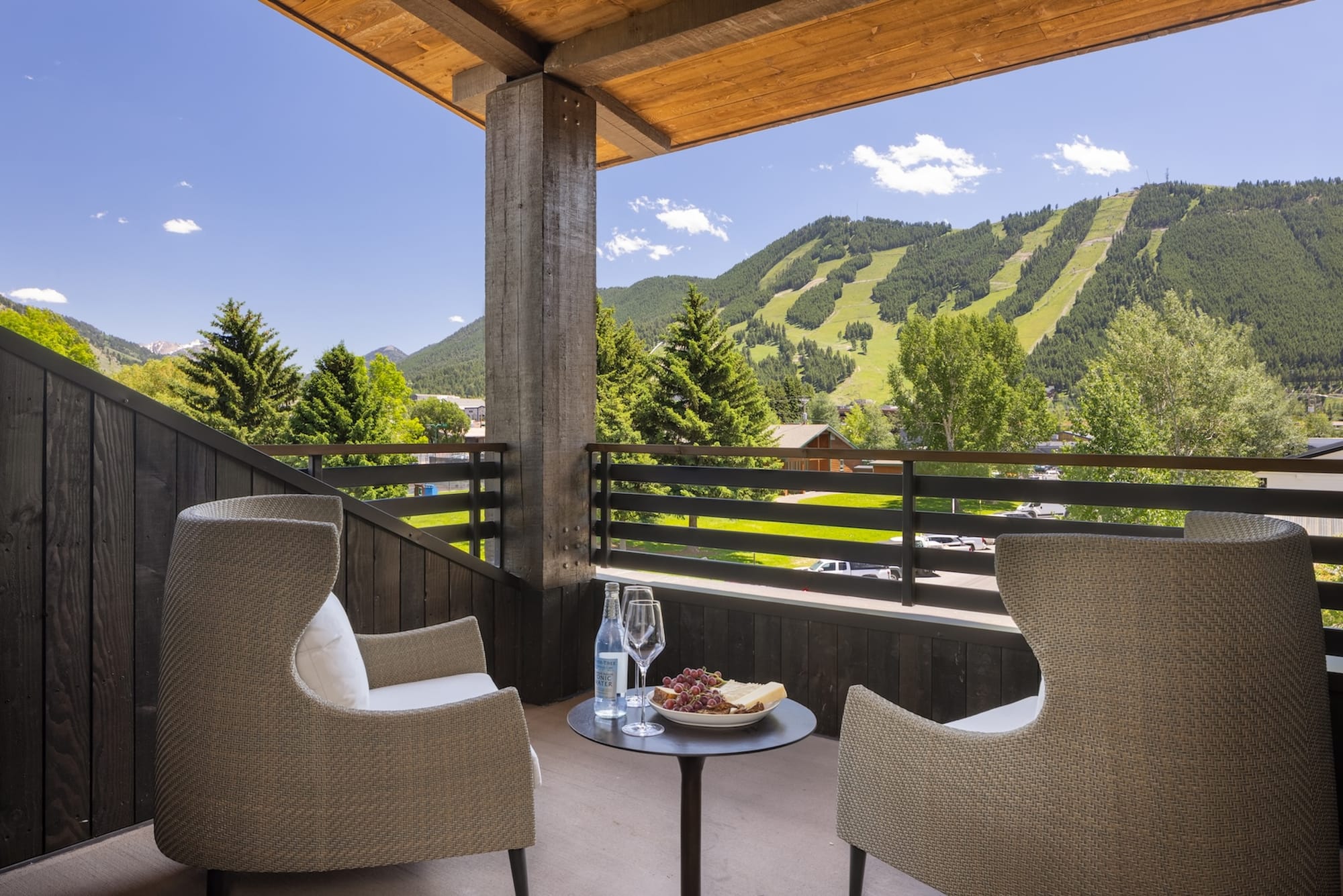
The Rusty Parrot first opened its doors in Jackson Hole in 1990, and was rebuilt after a 2019 fire, reopening in 2024 with an elevated Western-chic decor and amplified commitment to preserving the surrounding wilderness. The boutique, family-run hotel is heavily involved with the Grand Teton National Park Foundation (owner Ron Harrison has been a donor and council member for over twenty years) and partners with conservation-focused wildlife guides, such as Eco Tour Adventures. The lodge promotes eco-friendly transportation (guests are given complimentary e-bikes) and locally-sourced dining at the Wild Sage, which focuses on seasonal ingredients and regional farms.
The Green Scene
Rusty Parrot’s conservation ethic shows up in decades-long support for the Grand Teton National Park Foundation and in guiding partners like Eco Tour Adventures, which focus on low-impact wildlife viewing and education. Complimentary e-bikes and a local, seasonal menu at Wild Sage round out a lighter-footprint stay in Jackson Hole.
Alila Ventana Big Sur
California
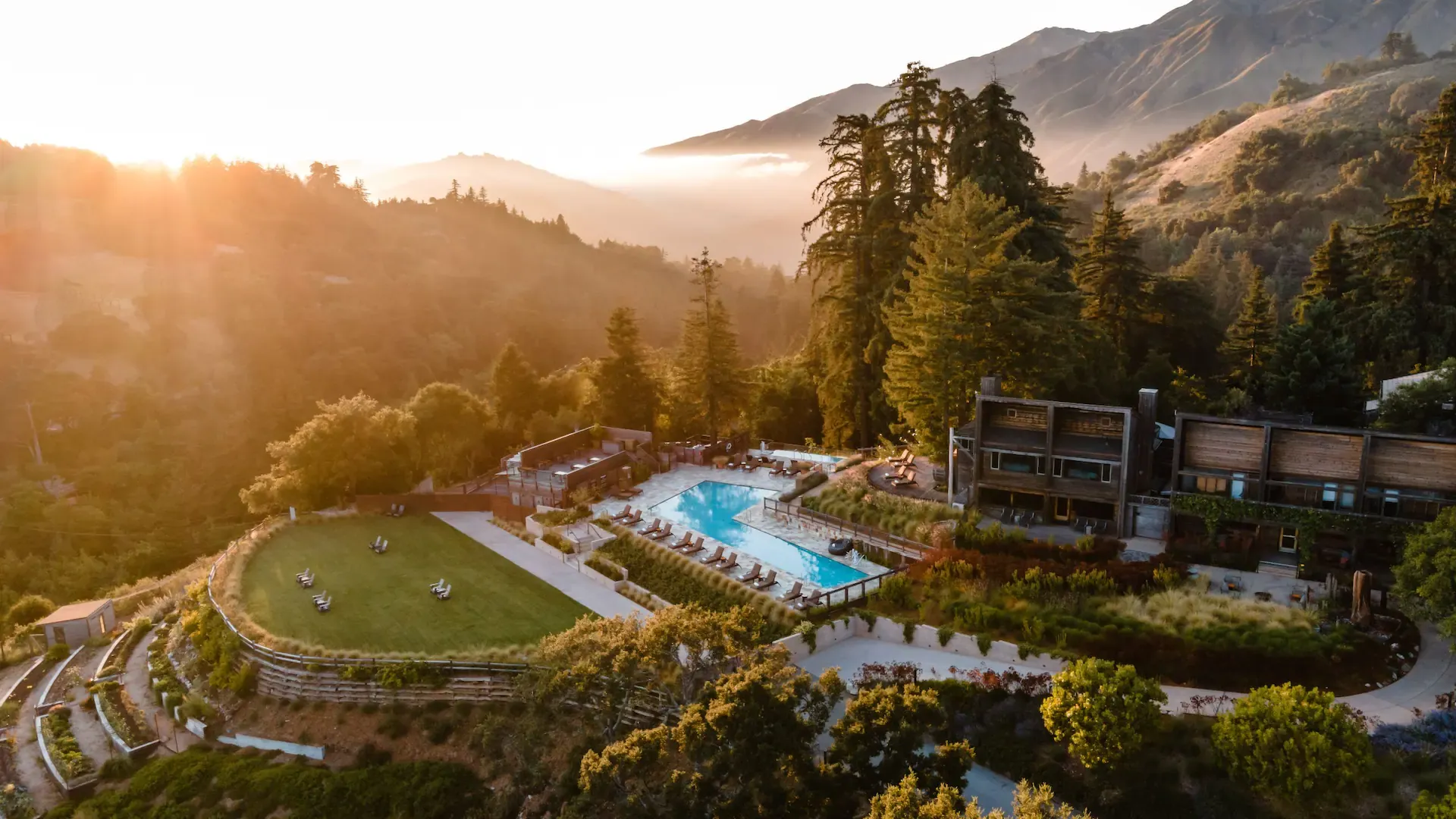
Alila Ventana is a paradise for nature lovers along one of the most beautiful stretches of the California coast. The adults-only, all-inclusive 160-acre property is forested by redwoods and stunning panoramic views of the ocean. The retreat is dedicated to preserving the wild beauty of the Pacific coastline, with sustainable practices such as native landscaping, locally-sourced design and eco-friendly farm-to-table gourmet dining. The hotel boasts an EarthCheck Silver Certification and collaborates with local organizations such as the Ventana Wildlife Society to preserve the greater Big Sur region.
The Green Scene
Alila Ventana Big Sur holds EarthCheck Silver certification, an independent mark of performance on energy, water, waste, and community metrics. Native landscaping, locally sourced materials, and collaboration with Ventana Wildlife Society help ensure Big Sur’s cliffs, forests, and wildlife remain the star of the show.
Lone Mountain Ranch
Montana
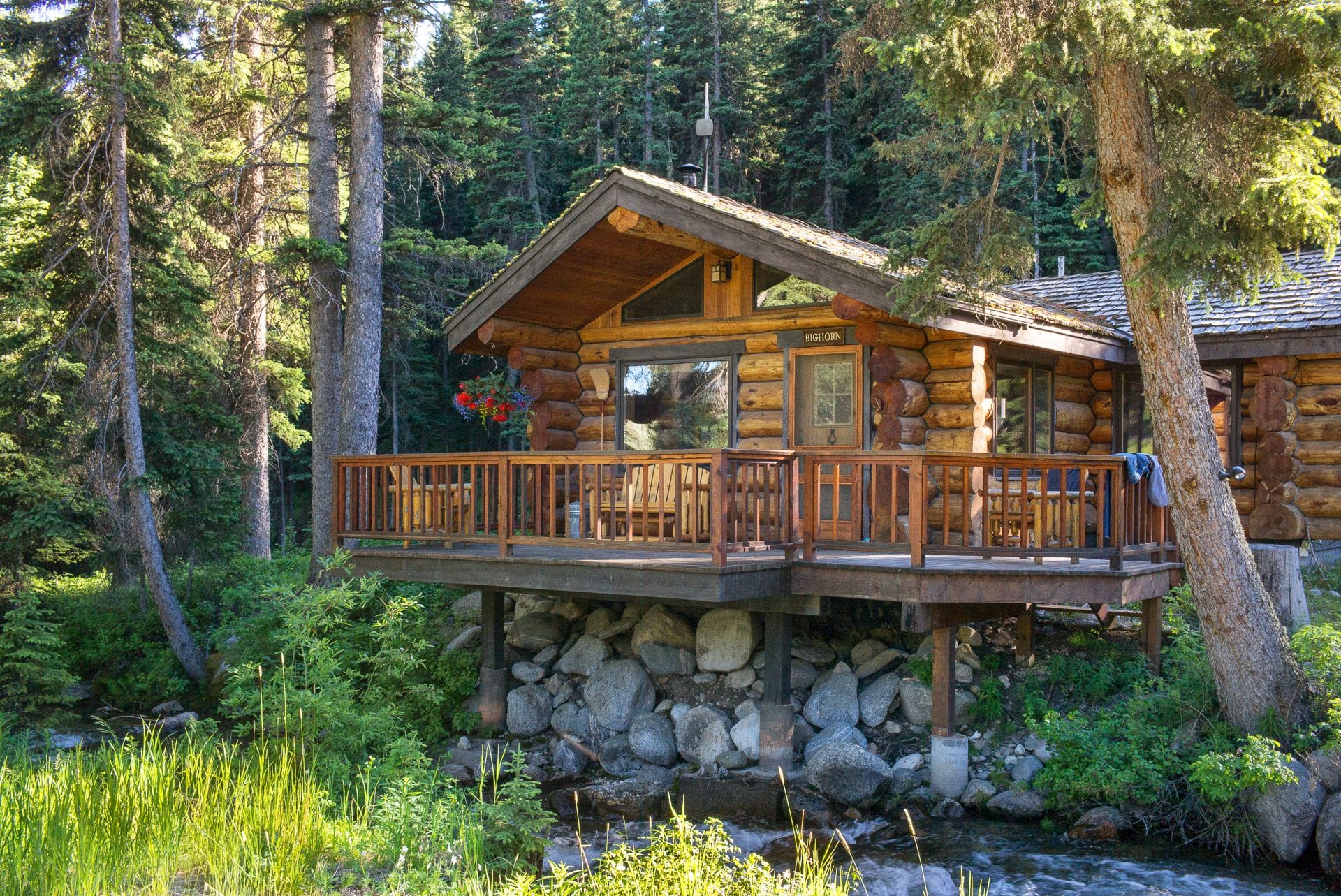
Head west to Lone Mountain Ranch, a historic 1915 guest ranch in Big Sky, Montana, devoted to preserving the wide open spaces of greater Yellowstone and Gallatin Valley. Guests stay in elegant rustic log cabins on the 148-acre property, which features delicious farm-to-table dining and nature-focused excursions, including guided hikes, horseback riding, and educational programs connecting guests with the surrounding environment. The ranch maintains over 50 miles of trails, protects local wildlife and preserves watershed health. Key regional partnerships include the Custer Gallatin National Forest, the Big Sky Community Organization, and the Property and Environment Research Center in Bozeman.
The Green Scene
This century-old ranch maintains more than 50 miles of trails and works with partners like Custer Gallatin National Forest, Big Sky Community Organization, and PERC to keep Greater Yellowstone’s open spaces accessible yet protected. Nature programs, farm-to-table meals, and wildlife-minded operations make it easier for guests to plug into that conservation story.
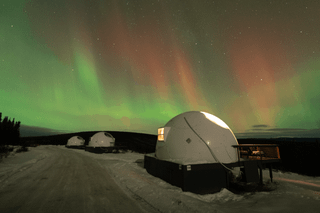
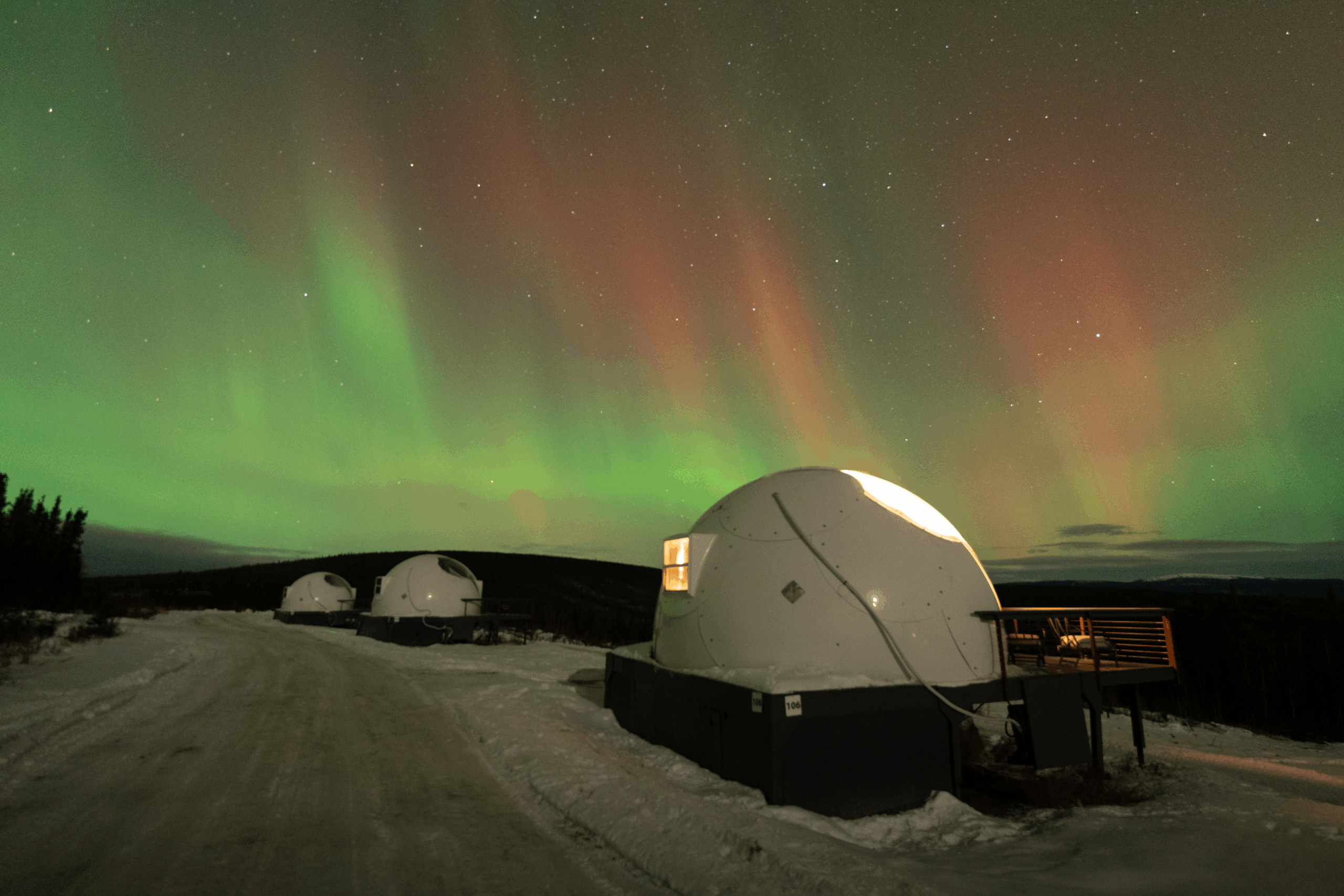
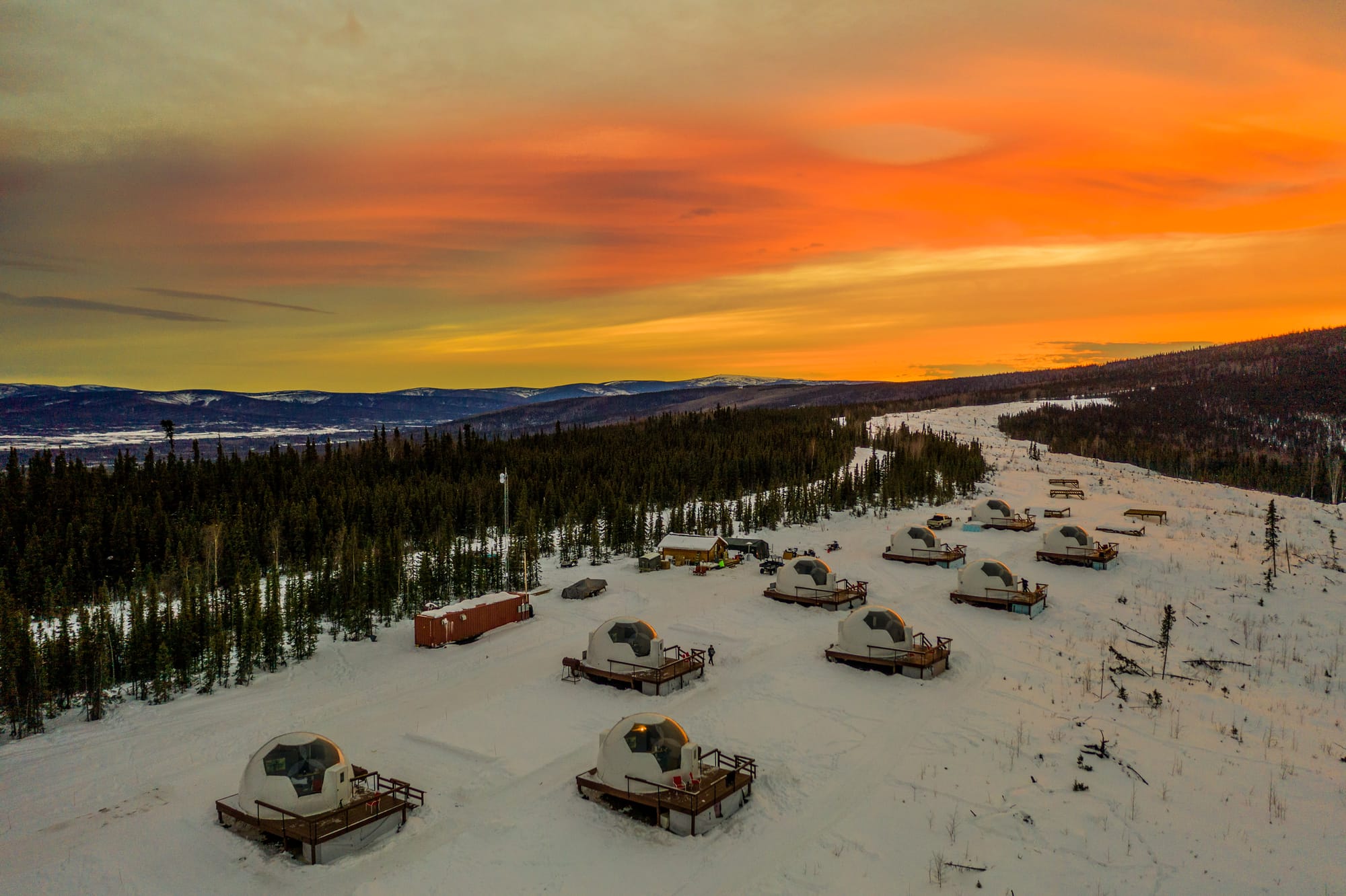
If it’s your dream to see the Northern Lights, look to the Alaskan interior—Fairbanks is one of the top destinations in the world to witness the Aurora Borealis, and the best place to do so is from your private igloo at Borealis Basecamp. Imagine lying back as curtains of green and violet light ripple across the glass above you, with nothing but a 100-acre boreal forest and vast expanses of federal and tribal wilderness in every direction. It is, by any measure, one of the most extraordinary sleep experiences in America. Every element of the operation is designed to tread lightly on this wilderness: well-sourced water, a central boiler system, reduced grid electricity use, and a genuine commitment to minimizing single-use products. This is remote Alaska at its finest—and the team intends to keep it that way.
The Green Scene
Borealis Basecamp’s low-density igloo and dome layout keeps its physical footprint relatively compact in Interior Alaska’s boreal forest, offering big-sky aurora views without sprawling development. As the property shares more about its energy, waste, and community practices, guests will be better able to see how their stay supports this fragile northern environment.
Frequently Asked Questions
Which of these U.S. lodges is best for first-time wildlife watchers?
If you’re new to wildlife watching, Lone Mountain Ranch and Rusty Parrot Lodge are great starting points, thanks to their expert guides, structured outings, and easy access to Grand Teton and Greater Yellowstone wildlife. You’ll get help spotting animals, understanding behavior, and learning how to observe responsibly.
Which hotel is most suitable for families with kids or teens?
Lone Mountain Ranch and Islander Resort stand out for multi-generational trips, pairing kid-friendly activities—like horseback riding, beach days, and easy nature excursions—with flexible dining and room setups that work well for families. Both properties make it simple for kids to engage with nature without feeling like they’re in a classroom.
Are any of these properties easy to reach without renting a car?
Four Seasons Resort Lānaʻi, Islander Resort in Islamorada, and Rusty Parrot Lodge in Jackson Hole can all be reached via flight plus arranged transfers or local shuttles, making them more realistic for car-free travelers. Borealis Basecamp also offers shuttle options from Fairbanks, so you don’t have to drive icy roads yourself.
Which lodge should I choose if I want the most remote, off-the-grid experience?
For maximum sense of remoteness, Borealis Basecamp and Eleven Sopris House lead the pack—the former set in Alaska’s boreal forest under the aurora, the latter offering cat-accessed backcountry terrain near Crested Butte. Both feel a world away from city life while still providing creature comforts.
What’s the best time of year to visit these hotels for outdoor activities?
Winter is ideal for aurora viewing at Borealis Basecamp and for Nordic skiing at Lone Mountain Ranch and Triple Creek Ranch, while late spring through fall shines for hiking, horseback riding, and river trips in Montana, Colorado, Wyoming, and Hawaiʻi. The Florida Keys property, Islander Resort, is more of a year-round option, with variable crowds and weather between dry and hurricane seasons.
Do any of these hotels work well for a honeymoon or romantic escape?
Alila Ventana Big Sur and Four Seasons Resort Lānaʻi are standouts for romance, blending dramatic scenery, high-touch service, and privacy-friendly room layouts. Borealis Basecamp’s glass-roofed igloos also deliver serious “wow” factor for couples chasing the Northern Lights.
Are there accessible room options for travelers with mobility needs?
Larger, brand-affiliated properties like Alila Ventana Big Sur, Four Seasons Resort Lānaʻi, and Islander Resort are the best bets for ADA-style accessible rooms and step-free routes, though options vary by room type and season. It’s worth contacting each lodge directly to confirm specific accessibility features before you book.
Can I visit these properties if I’m new to hiking, horseback riding, or skiing?
Yes—ranches like Triple Creek and Lone Mountain, as well as Rusty Parrot’s guided partners, specialize in working with beginners and tailor activities to your comfort level. Many excursions are more about immersion and interpretation than about athletic performance.
Do these hotels offer guided experiences, or do I explore on my own?
Most of the featured lodges lean heavily on guided experiences—think naturalist-led hikes, wildlife safaris, backcountry ski outings, and marine excursions—so you don’t have to navigate complex environments solo. That said, you can still enjoy self-guided time on trails, beaches, or scenic overlooks once you’ve got your bearings.
How far in advance should I book these kinds of wilderness-focused stays?
For peak seasons—aurora months in Alaska, summer in Big Sur and Yellowstone, and winter ski periods in the Rockies—booking three to six months ahead is wise, especially for limited-capacity lodges and specialty rooms like igloos or signature suites. Shoulder seasons can be more flexible, but last-minute availability is never guaranteed at smaller, conservation-focused properties.
Eco FAQs
Which of these hotels has the strongest third-party sustainability certification?
Alila Ventana Big Sur leads with EarthCheck Silver certification, an independently audited system that measures performance on energy, water, waste, and community indicators. Four Seasons Resort Lānaʻi is also recognized by Qurator and Hawaiʻi Green Business for responsible operations, signaling alignment with GSTC-style criteria.
What makes Triple Creek Ranch a conservation leader in Montana’s Bitterroot Valley?
Triple Creek Ranch has planted over 100,000 trees, installed an award-winning gravity-fed irrigation system to reduce energy use, and converted its fencing to wildlife-friendly designs that are safer for elk and other animals. Its partnership with the Rocky Mountain Elk Foundation further supports habitat restoration beyond the ranch boundary.
How is Islander Resort in the Florida Keys reducing its energy and water footprint?
Islander Resort’s recent retrofit added a major solar array that now provides roughly 44–45% of the property’s energy, alongside new water reclamation systems and efficiency upgrades that cut overall consumption. These investments complement weekly coastal cleanups and conservation-focused cocktails that channel funds to local marine nonprofits.
What renewable energy systems power Eleven Sopris House in Colorado?
Eleven Sopris House runs on a hybrid of solar and geothermal energy, using the sun and stable ground temperatures to heat and power the property in a high-elevation climate. This approach reduces its dependence on fossil fuels while maintaining a luxurious mountain-home feel. borealisbasecamp
How does Four Seasons Resort Lāna‘i help protect monk seals, reefs, and native forests?
The resort partners with Pūlama Lānaʻi on island-scale land management and reforestation, the Monk Seal Foundation on endangered seal protection, and the Hawaiʻi Institute of Marine Biology on ocean research and reef health. Initiatives like wild bee pollinator hotels, recognized by the Xerces Society, broaden that conservation lens to smaller but vital species.press.
What does EarthCheck Silver certification mean at Alila Ventana Big Sur?
EarthCheck Silver indicates that Alila Ventana has been benchmarked and audited against global best practices for energy and water efficiency, greenhouse gas emissions, waste management, and community impact. It signals continuous improvement, not a one-time “green” label.
How does Lone Mountain Ranch support trail stewardship and Greater Yellowstone conservation?
Lone Mountain Ranch maintains more than 50 miles of trails and collaborates with partners like Custer Gallatin National Forest, the Big Sky Community Organization, and PERC to keep open spaces healthy and accessible. Its guided programs and educational outings help guests understand the ecological and economic importance of the Greater Yellowstone ecosystem.
What is Borealis Basecamp doing to minimize its impact on Alaska’s boreal forest and aurora country?
Borealis Basecamp relies on on-site DEC-certified wells, a central boiler system, and limited grid electricity to reduce transport and energy waste, and it designs its igloos and domes with a relatively small physical footprint on the landscape. The camp also emphasizes reducing single-use products and simplifying waste streams in a challenging subarctic environment.
Do any of these properties offer carbon offset or give-back programs tied to my stay?
Eleven Sopris House’s parent brand offers “Eleven Offsets,” a tax-deductible carbon offset program guests can opt into to balance their travel emissions. Other properties, like Islander Resort and Four Seasons Lānaʻi, channel portions of guest spending and programming toward conservation partners and local environmental projects.
How can guests personally contribute to conservation efforts while staying at these lodges?
Guests can join organized beach and coastal cleanups, choose low-impact guided excursions, respect wildlife viewing distances, opt into offset or donation programs, and follow on-site pledges such as the Lānaʻi Pledge’s kuleana principles. Simple choices—like refilling water bottles, reusing linens, and staying on marked trails—amplify the work these properties are already doing.
Most Popular Posts