
The alarm call tears through the pre-dawn stillness — a sharp, staccato bark that raises the hair on my neck. Our naturalist cuts the engine, and in the sudden quiet, I hear it again: a spotted deer, somewhere in the sal forest shadows, announcing what we've been searching for since sunrise. The tiger is close.
This is the promise of an Indian wildlife safari, and it delivers on a scale that rivals the African plains — though here, the drama unfolds not across open savanna but within dense jungle corridors where a 500-pound Bengal tiger can vanish into dappled light as if it were smoke. India's national parks harbor not only the world's largest population of wild tigers but also one-horned rhinoceros, Asian elephants, leopards, and sloth bears — what safari operators call the Big Five of the subcontinent. The lodges that anchor these expeditions have evolved far beyond simple base camps. Today's leading wildlife properties blend luxury with conservation, offering immersive encounters with India's megafauna while actively protecting the landscapes that sustain them.
Kings Lodge, Bandhavgarh National Park: Where Tiger Density Meets Forest Luxury
Bandhavgarh wasn't my first tiger reserve, but it's where I finally understood the mathematics of anticipation. With one of the highest concentrations of Bengal tigers in India — roughly one tiger per 1.5 square miles in the core zone — the odds here tilt dramatically in your favor. On my second morning drive, we spotted fresh pugmarks pressed into the sandy riverbank, then followed them upstream until the tracks led us to a tigress sprawled across a sun-warmed boulder, one massive paw dangling over the edge as she dozed.
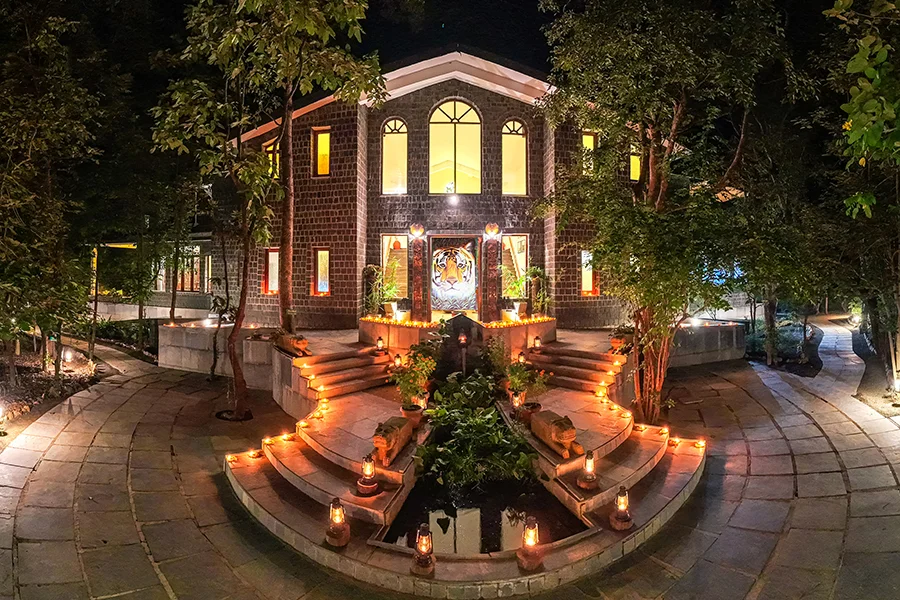
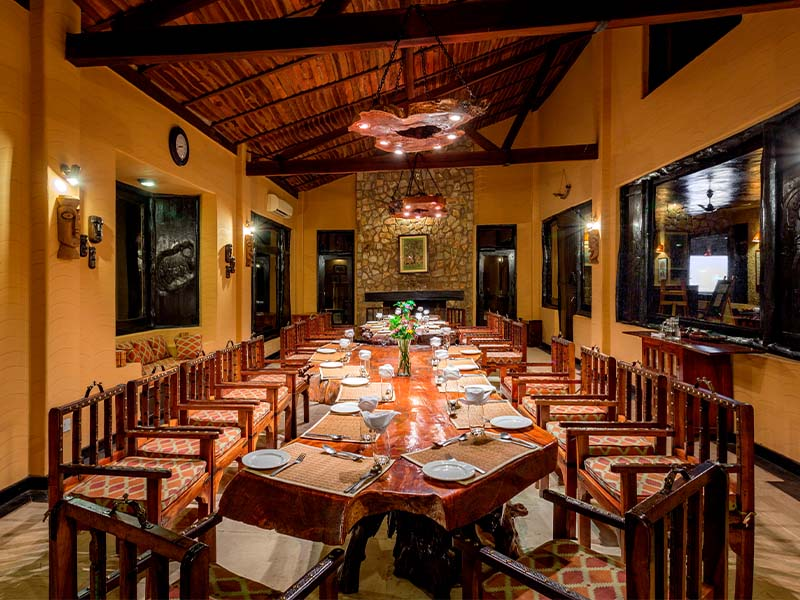
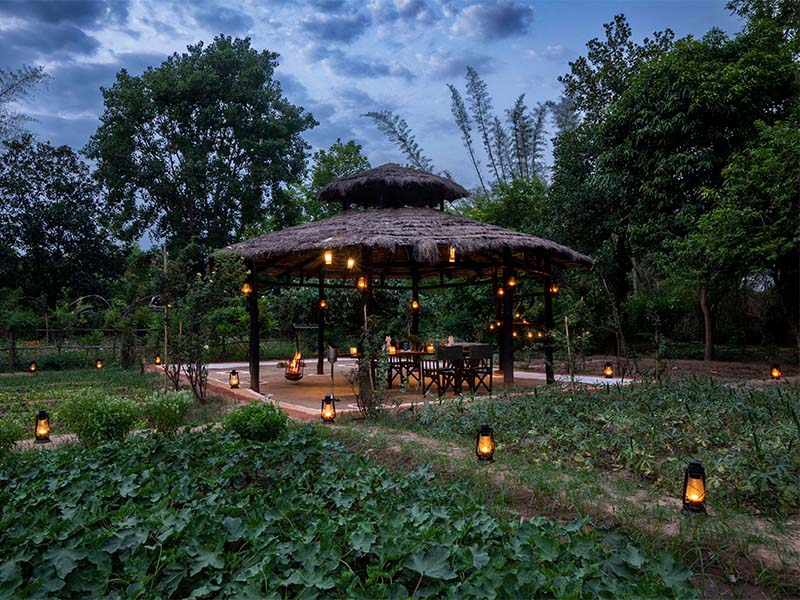
Kings Lodge sits just outside Bandhavgarh's boundary, surrounded by 20 acres of natural forest that feels like an extension of the park itself. The property's design follows the contours of the land — stone pathways wind beneath ancient trees, leading to cottages with private verandas where you can watch jungle babblers flit through the canopy while sipping masala chai. The main lodge building, constructed from locally quarried stone and reclaimed wood, houses a library stocked with field guides and a dining room where the kitchen pulls produce from its own organic garden.
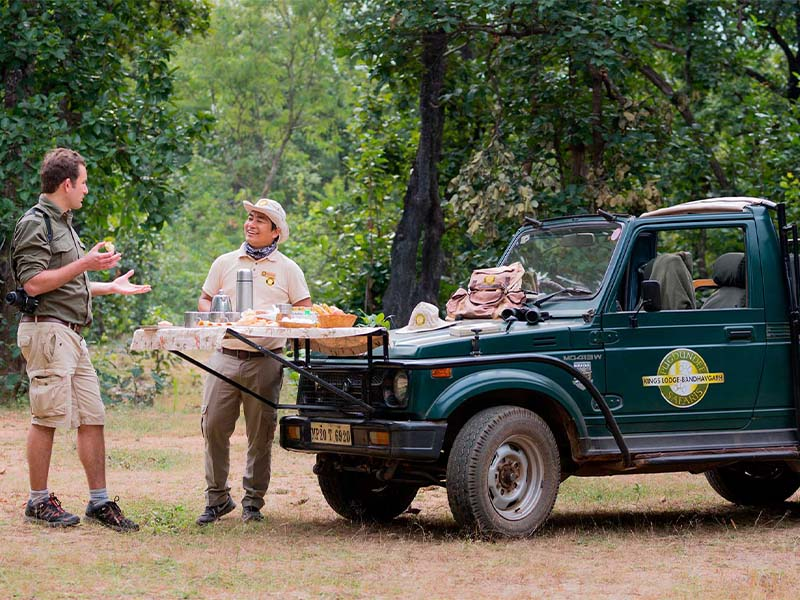
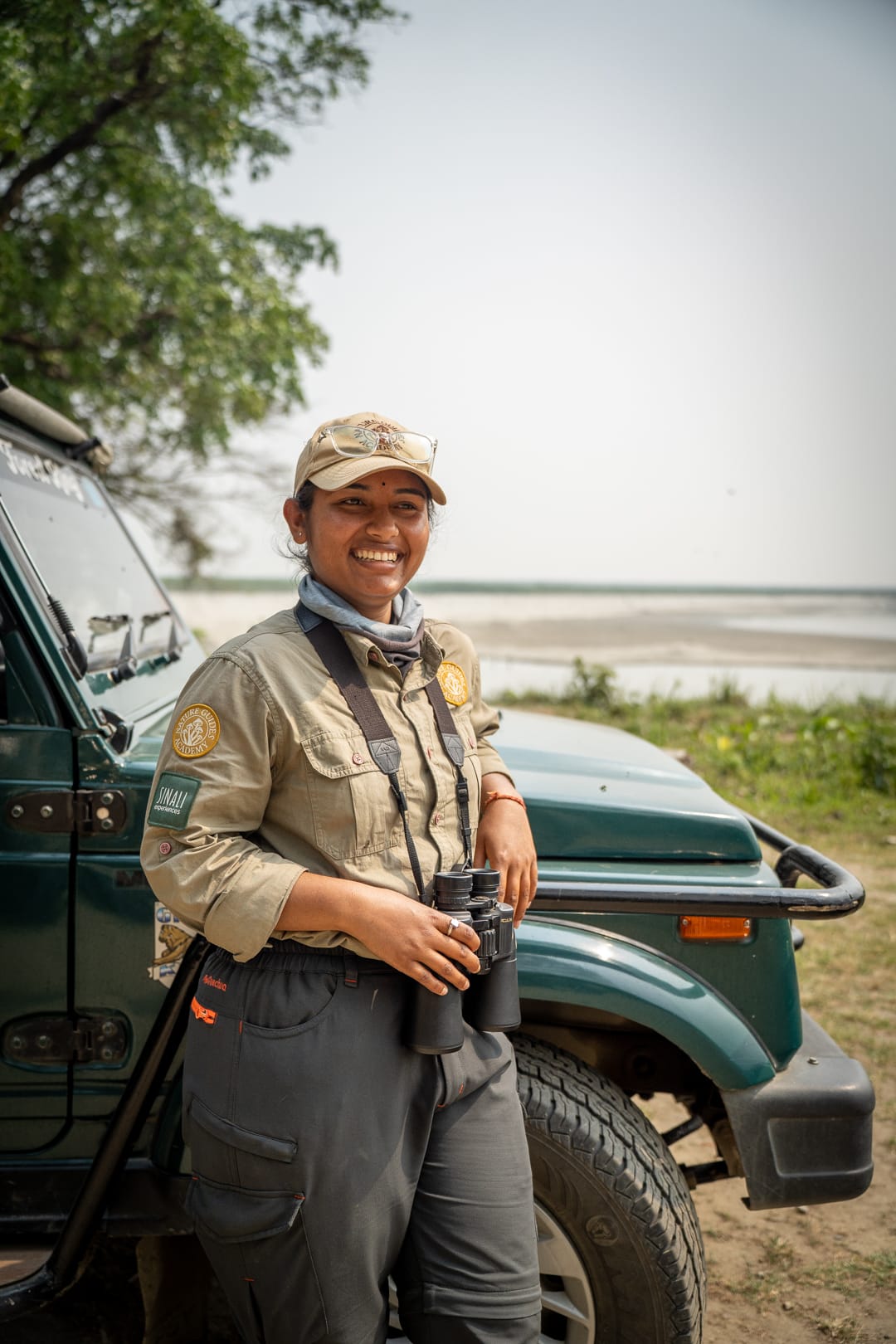
What distinguishes a morning at Kings Lodge is the quality of the guiding. Our naturalist, Rajesh, had grown up in a village bordering the park and could read the forest like a text — interpreting the fresh scrape marks on a tree trunk, the pattern of disturbed leaf litter, the specific pitch of a langur's alarm call. When we finally located the tigress with two nearly full-grown cubs, he positioned our jeep with the light behind us, giving us clean sightlines as the family moved through a clearing just 30 feet away.
Bandhavgarh's 444 square miles encompass sal and bamboo forest, rocky outcrops, and the grassy meadows that attract spotted deer, sambar, wild boar, and gaur — the world's largest wild cattle. The prey density supports not only tigers but also a healthy population of leopards, though the latter are far more elusive. Over three days, we saw seven different tigers, two leopard sightings (one spectacular: a male draped across a horizontal branch, tail twitching), jungle cats, a sloth bear, and more deer than I could count.
The Green Scene
Kings Lodge operates as part of Pugdundee Safaris, a portfolio of eco-luxury properties across central India that prioritize environmental stewardship and community empowerment. The lodge maintains an organic kitchen garden and butterfly garden, both of which support biodiversity while reducing the footprint of food sourcing. The kitchen operates as a scratch kitchen, sourcing ingredients from its own gardens and local suppliers, cutting food miles and supporting nearby farms. Pugdundee emphasizes local employment — our naturalists, drivers, and most lodge staff came from villages surrounding the park — and they're active members of TOFTigers and the Madhya Pradesh Eco Tourism Board. Village visits and nature-education activities create economic incentives for conservation in communities that once relied on hunting or forest extraction.
Singinawa Jungle Lodge, Kanha National Park: Where Kipling's Jungle Book Comes to Life
If Bandhavgarh is about density, Kanha is about scale and variety. Stretching across 750 square miles of the Satpura Hills, Kanha National Park encompasses everything from dense sal forest to open grasslands that glow golden in the late afternoon light. Rudyard Kipling drew inspiration from these landscapes for The Jungle Book, and you can see why — there's something primeval about the place, a sense that the jungle operates according to rules that predate human presence by millennia.
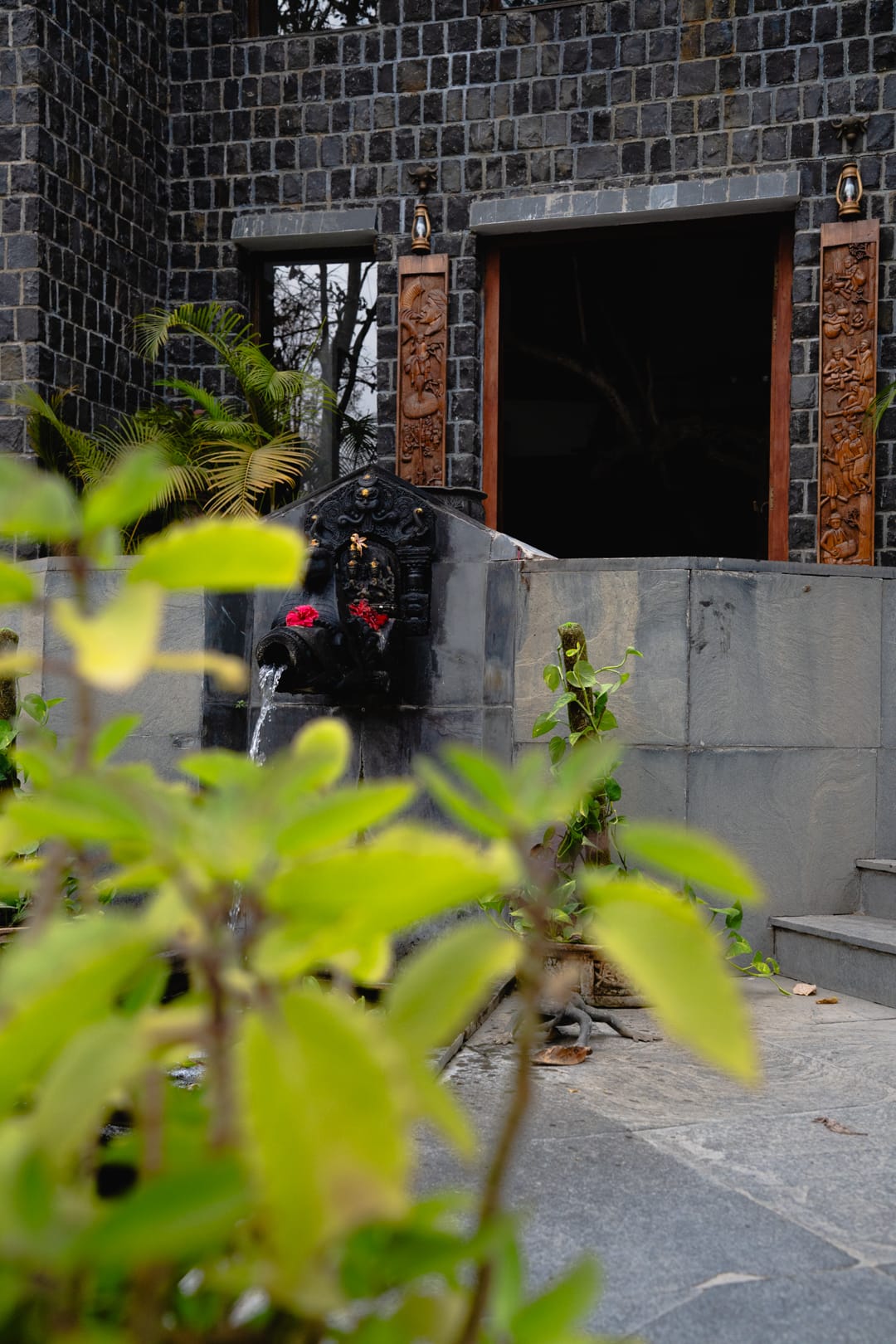
Singinawa Jungle Lodge announces itself as something different the moment you arrive. The property spans more than 100 acres of restored wilderness bordering the Kanha Forest Reserve, and the lodge's guiding philosophy — "Protectors of the Sacred Forests" — isn't marketing speak. It's a conservation commitment you can see in the rewilding efforts across the grounds, where native species have been planted to extend tiger habitat beyond the park's official boundaries.
The accommodations strike a balance between wilderness immersion and creature comfort. My cottage featured floor-to-ceiling windows that framed the forest, a private sit-out where I could listen to the evening chorus of jungle sounds, and a bathroom with both indoor and outdoor showers. At night, with the lights off and the windows open, I could hear barking deer alarm calls echo through the darkness — a reminder that the real action was happening just beyond the property line.
Kanha delivered on every front. We encountered a massive gaur herd grazing in a meadow at dawn, the bulls standing over six feet at the shoulder. We watched a pack of dholes — Indian wild dogs — work together to bring down a spotted deer, their coordination surgical. We found tiger pugmarks on three separate drives before finally spotting a young male patrolling his territory along a forest track, his stride unhurried and proprietary.
But Kanha's signature species is the barasingha, or swamp deer, a graceful herbivore with 12-point antlers that was nearly extinct before the park's strict conservation programs brought it back from the brink. We saw several herds in the grasslands, their tawny coats catching the light as they moved through the tall grass. The barasingha's recovery is a conservation win that mirrors the lodge's own commitment to habitat restoration.
The Green Scene
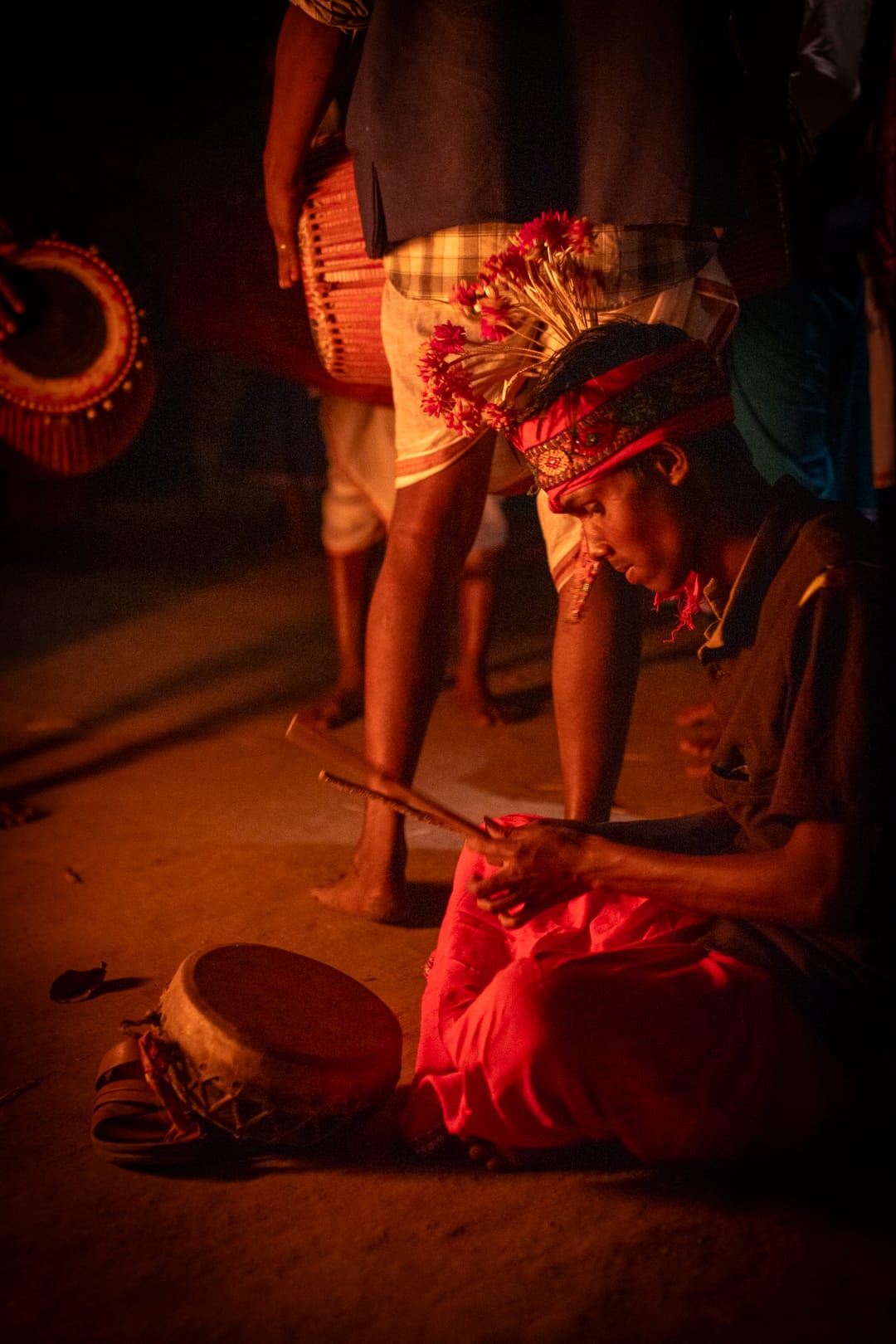
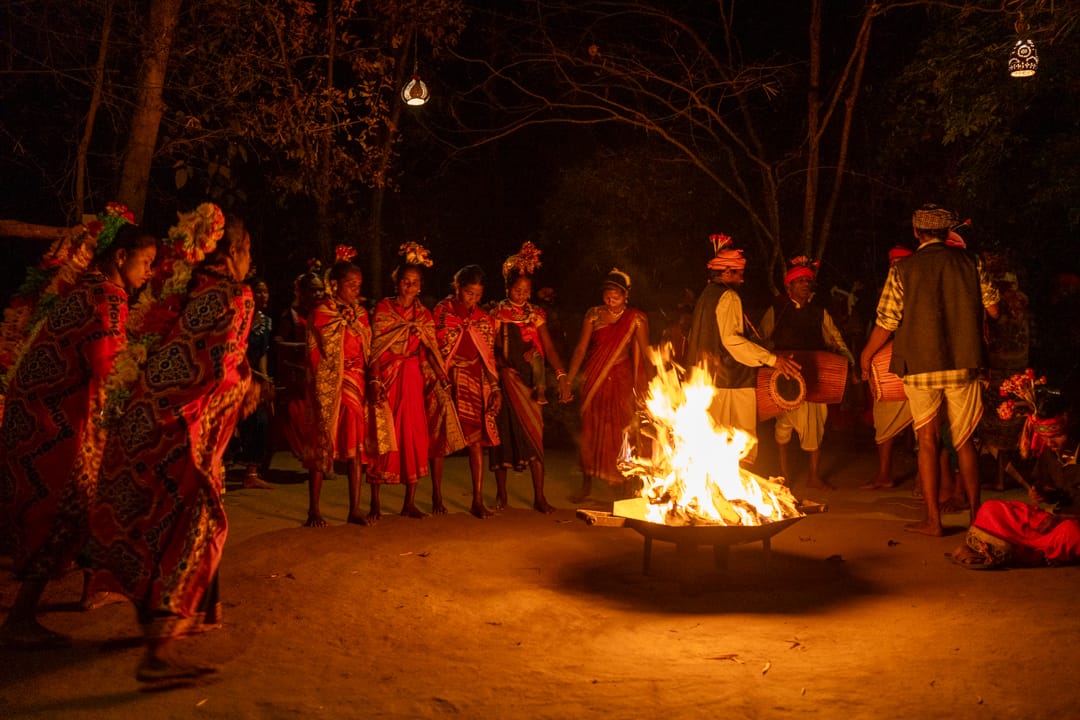
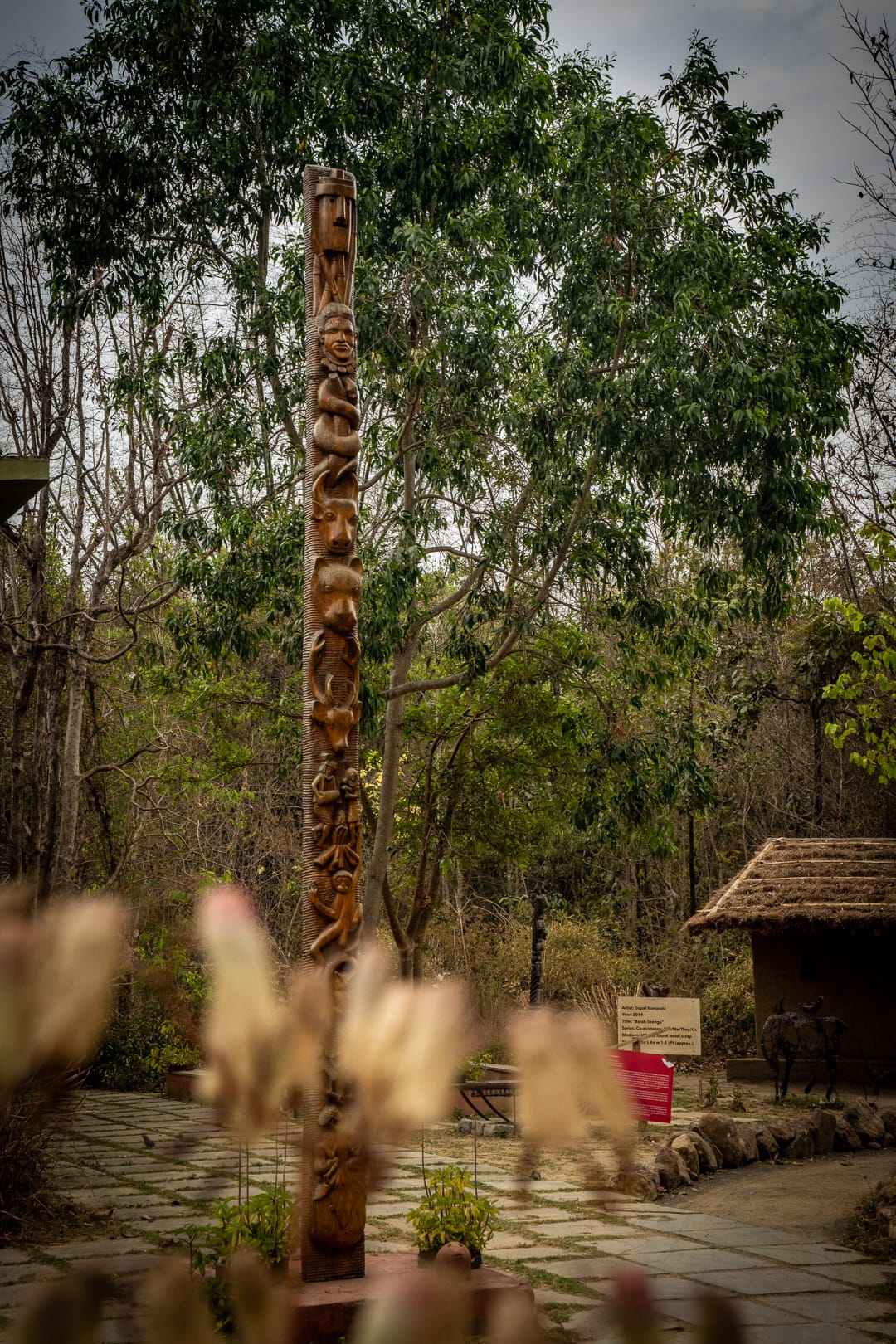
Singinawa operates as "a concept in conservation," not just a luxury lodge. The property is supported by the Singinawa Conservation Foundation and is profiled by TOFTigers as a best-practice case study in responsible tourism. The lodge has replaced plastic bottles with reusable copper vessels, segregates and composts waste, and runs water-conservation measures throughout the property. Community support extends to employment, purchasing from local suppliers, and cultural programming — the Kanha Museum of Life & Art on the property showcases Indigenous Gond and Baiga art, creating income streams for local artists while preserving traditional knowledge linked to the forest. Guests are encouraged to contribute to initiatives that reduce villagers' dependence on firewood and support re-greening projects in surrounding communities.
Diphlu River Lodge, Kaziranga National Park: Rhinos, River Dolphins, and Rewilding
The one-horned rhinoceros doesn't move like an animal that weighs two tons. It moves like a tank with an attitude problem. On my first jeep safari in Kaziranga National Park, we encountered a female grazing in elephant grass so tall it nearly concealed her bulk. When she lifted her head and locked eyes with our vehicle, the driver cut the engine and we sat in silence, watching her chew methodically while egrets perched on her armored back.
Kaziranga, in the far-eastern state of Assam, is where you come for rhinos. Two-thirds of the world's one-horned rhinos live within this 430-square-mile park that borders the sacred Brahmaputra River, and unlike tigers, they're not difficult to spot. Over two days, we saw more than 30 individuals, from solitary bulls to mothers with calves that stayed close, their ears swiveling to track our presence.
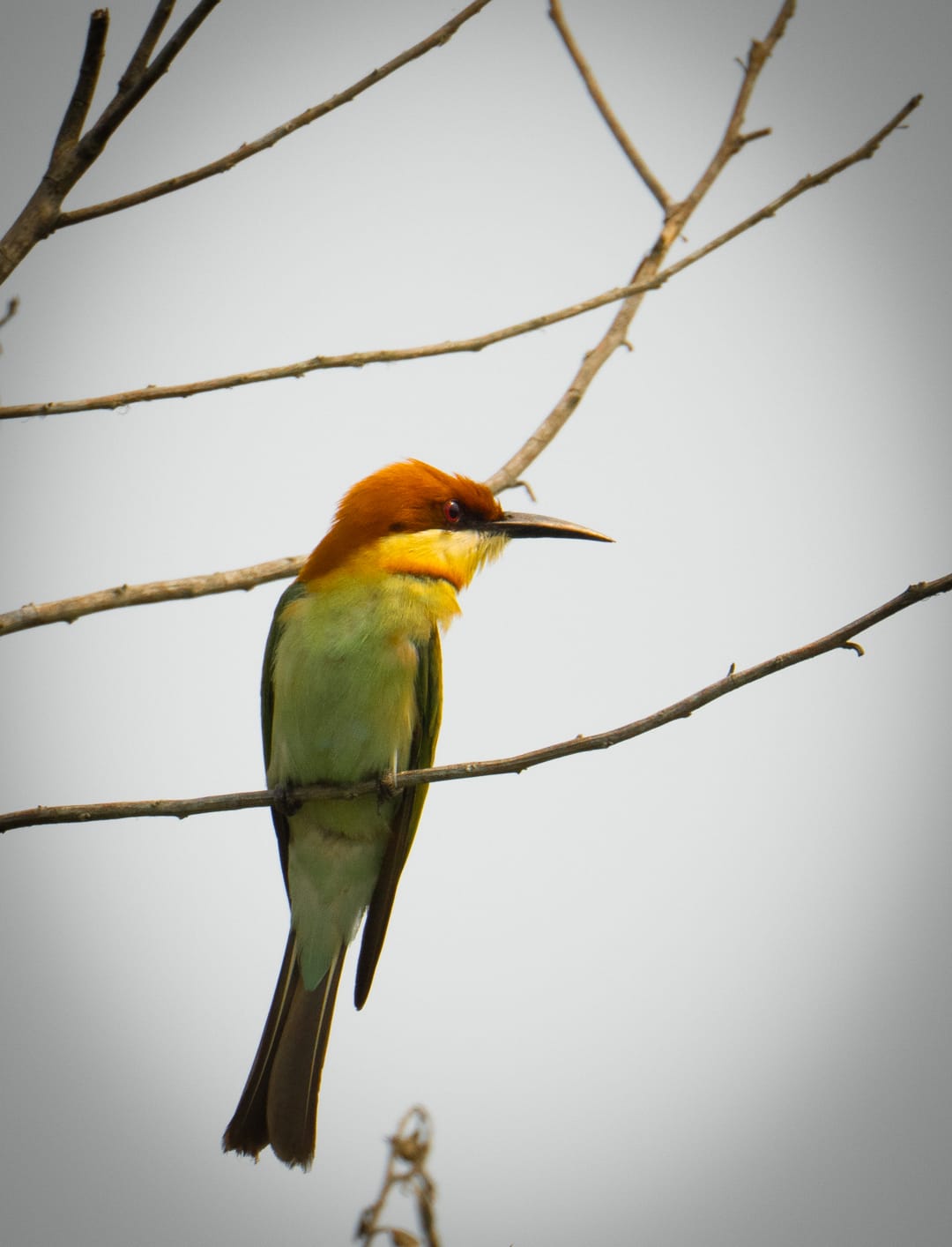
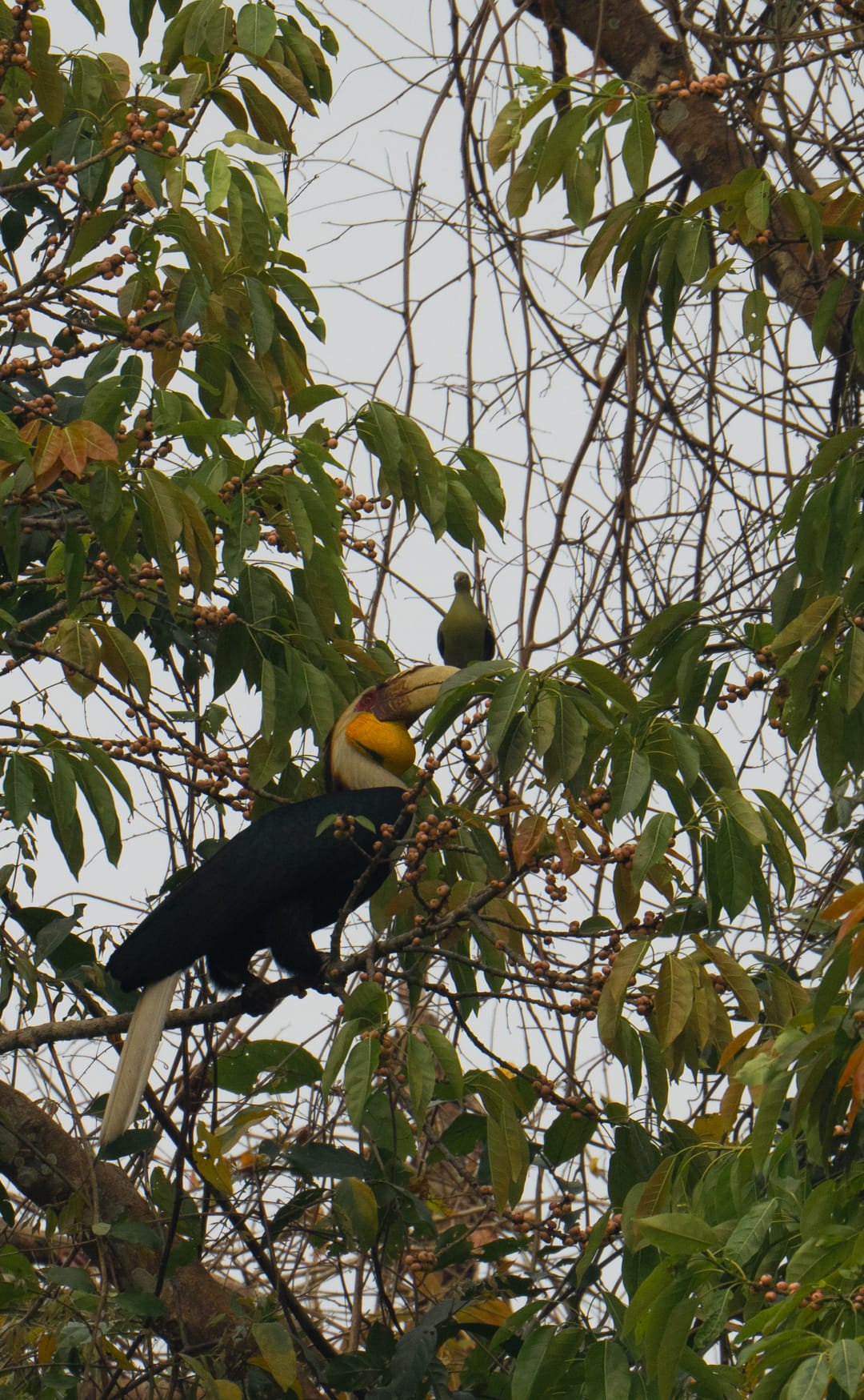
But Kaziranga is more than a rhino sanctuary. The park protects Asian elephants, wild water buffalo, barasingha (a different subspecies than the one at Kanha), and a small but growing population of Bengal tigers. The habitat — a mix of grasslands, marshes, and semi-evergreen forest — also supports an extraordinary diversity of birdlife. We spotted fishing eagles, pelicans, black-necked storks, and river terns along the waterways, and on a boat safari on the Brahmaputra, we watched Gangetic dolphins surface and dive in the murky current.
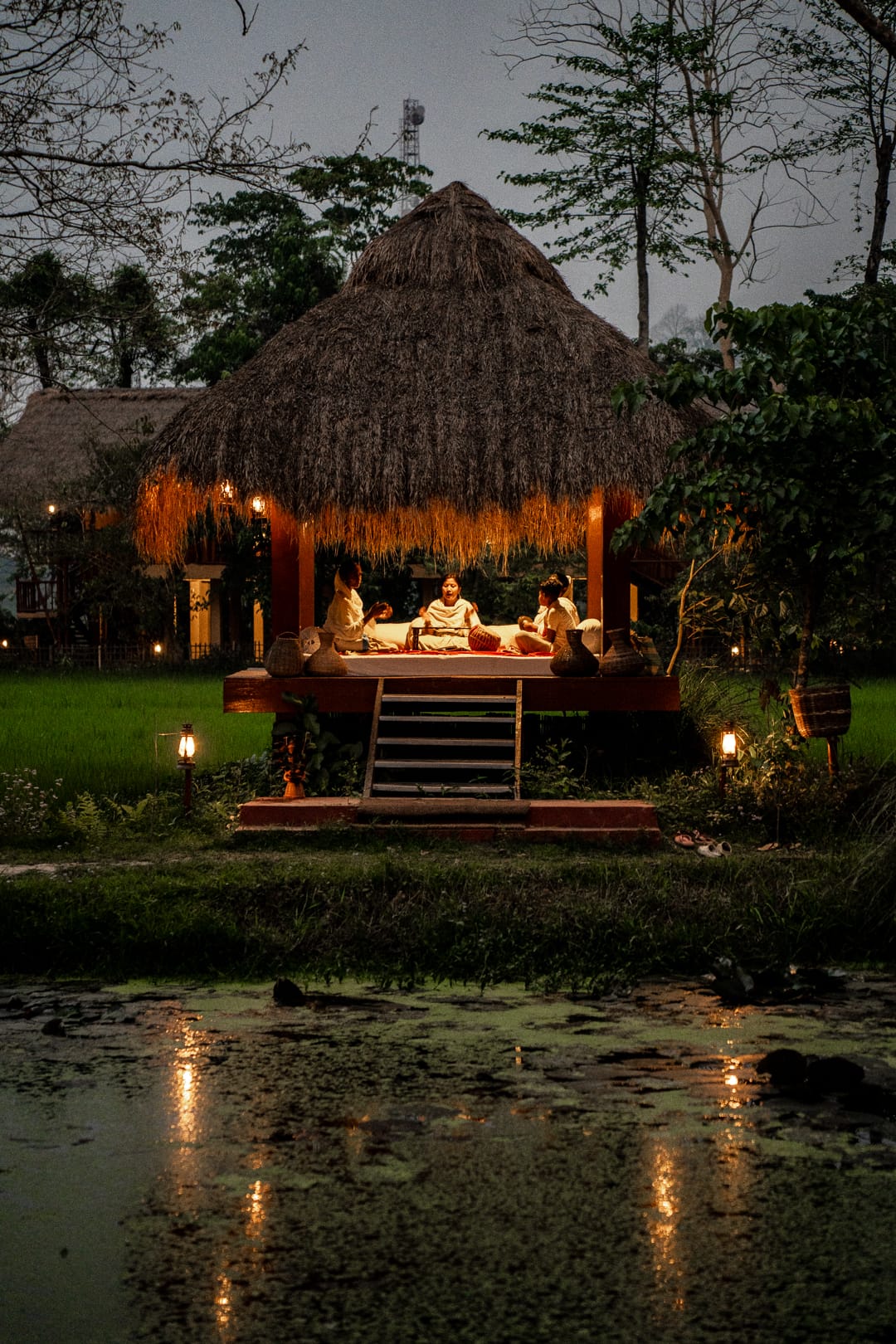
Diphlu River Lodge sits on the banks of the Diphlu River, just outside the park boundary, and the property's design reflects Assamese culture and craftsmanship. The cottages feature handcrafted furniture, locally woven textiles, and architectural details that support regional artisans while reducing the need for imported materials. The grounds contain more than 40 species of trees and 200 species of shrubs and climbers, creating a buffer zone that extends habitat for birds and smaller mammals.
The lodge's low density — just 12 cottages accommodating a maximum of 24 guests — limits pressure on the surrounding environment while creating an intimate atmosphere. Meals are served family-style in the main lodge, where I swapped tiger stories with a couple from Germany and compared bird sightings with a solo traveler from Mumbai. The food itself was a revelation: Assamese cuisine featuring river fish, bamboo shoots, and rice cooked in dozens of preparations I'd never encountered.
The Green Scene
Diphlu River Lodge embeds sustainability into its operations through eco-friendly design, support for local artisans, and direct conservation funding. A portion of every booking goes to the ABN Foundation, which supports education, environmental protection, and rural development initiatives in Assam and Bengal. The lodge's architecture uses locally sourced materials and traditional building techniques, while activities include optional visits to nearby villages, tea gardens, and rubber plantations — creating economic alternatives to extractive land uses around Kaziranga. The property's low guest capacity and minimal footprint align with responsible tourism principles while offering an authentic immersion in Assamese culture and wilderness.
Planning Your Indian Wildlife Safari
The best time to visit India's central tiger parks — Bandhavgarh and Kanha — is from October through June, when the parks are open and wildlife viewing peaks in the hot, dry months before the monsoon (March through May). Kaziranga is accessible from November through April, with the park closed during the monsoon season when the Brahmaputra floods much of the reserve.
Most wildlife lodges operate on an all-inclusive basis, with accommodation, meals, and twice-daily game drives included in the package price. Safari vehicles accommodate six passengers plus a driver and naturalist, and advance booking is essential during peak season. Domestic flights connect Delhi with Jabalpur (gateway to Bandhavgarh), Raipur (for Kanha), and Jorhat (for Kaziranga), with lodge transfers typically requiring 3-5 hours by road.
The lodges featured here represent a careful balance between luxury and conservation — properties where your presence directly supports habitat protection, community livelihoods, and wildlife research. They're places where a morning might begin with fresh tiger pugmarks on a forest track and end with a sundowner toast to the day's sightings, all while knowing that your stay is helping to secure a future for India's extraordinary megafauna.
When the spotted deer's alarm call finally fell silent that morning in Bandhavgarh, the tiger emerged from the shadows — a massive male with a scarred face and a stride that announced his dominance. He crossed the track 20 feet from our jeep, paused to mark a tree with his scent, and then melted back into the forest. The entire encounter lasted less than three minutes, but it's the kind of moment that stays with you — the kind of moment that transforms a vacation into something deeper. That's the promise of India's wildlife lodges: not just a place to sleep between safaris, but a gateway to one of the planet's last great wildernesses.
Frequently Asked Questions
What is the best time of year to go on a wildlife safari in India?
For central Indian tiger reserves like Bandhavgarh and Kanha, the core season runs from October to June, with the hottest, driest months of March to May offering the most reliable big-cat sightings as animals concentrate around shrinking water sources. Kaziranga in Assam typically opens from November to April, closing in the monsoon when the Brahmaputra River floods grasslands and tracks.
Which Indian parks are best for seeing tigers and the “Big Five” of Indian wildlife?
Bandhavgarh and Kanha in Madhya Pradesh are top choices for tiger sightings, while Kaziranga in Assam is the stronghold for one-horned rhinoceros and also protects tigers, Asian elephants, wild water buffalo, and barasingha. Choosing eco-forward lodges near these parks helps ensure your visit supports conservation and local livelihoods in line with GSTC principles on nature, culture, and community.
How many days should I plan for an Indian wildlife lodge stay?
Three to four nights at each lodge is a practical minimum if you want multiple morning and afternoon game drives and time to enjoy on-property experiences like nature walks, village visits, and conservation talks. Many travelers combine two parks—for example Bandhavgarh plus Kanha or Kanha plus Kaziranga—for 7–10 days of safari time.
What is typically included in an Indian wildlife lodge package?
Most serious wildlife lodges operate on an all-inclusive or full-board basis that covers accommodation, all meals, and twice-daily shared game drives with a naturalist and driver. Park fees, camera permits, and transfers may be extra or bundled into special packages, so it’s worth confirming line items before you book.
Do I need to book safari permits in advance?
Yes. Park entry and jeep permits in Indian tiger reserves are capacity-limited and can sell out months ahead during peak season, especially for popular zones. Reputable lodges often handle permit booking on your behalf, but you should secure dates as early as possible—ideally three to six months in advance.
What should I pack for an Indian safari?
Pack light, neutral-colored layers (olive, khaki, beige) for early morning and evening temperature swings, plus a warm fleece for winter and a breathable shirt for hot months. Add a wide-brimmed hat, sunglasses, high-SPF mineral sunscreen, insect repellent, a reusable water bottle, binoculars, and a soft-sided bag rather than bulky suitcases for small vehicles.
Are Indian wildlife lodges suitable for families?
Most lodges highlighted here welcome families, and some can arrange private vehicles, child-friendly naturalists, and flexible meal times on request. Age restrictions may apply for shared game drives, so families with young children should ask about private safaris and lodge-based activities such as nature walks, junior ranger programs, or village visits.
How can I choose a lodge that genuinely supports conservation and communities?
Look for lodges that publish clear sustainability policies, partner with credible organizations like TOFTigers, and share transparent information about local employment, waste management, and habitat protection. Even without a global badge like Green Globe or Green Key, independently profiled eco-lodges that show measurable action on conservation and community alignment are more likely to follow GSTC-aligned best practices.
Do I need travel insurance for an Indian safari trip?
Travel insurance is strongly recommended to cover medical care, emergency evacuation, trip delays, and cancellations, particularly when you’re traveling to remote reserves several hours from the nearest city. Choose a policy that includes adventure travel or wildlife activities where needed, and keep digital and paper copies accessible during transfers.
Is it ethical to go on tiger and rhino safaris?
When you choose lodges that limit vehicle numbers, respect strict park rules, hire and train local staff, and contribute to anti-poaching or habitat restoration, your visit can be a net positive for wildlife. Bandhavgarh, Kanha, and Kaziranga are all conservation landscapes where responsible tourism helps fund protection for tigers, rhinos, elephants, and other species.
How do Indian wildlife lodges reduce their environmental impact?
Leading lodges increasingly design low-density properties, use local materials, reduce single-use plastics, compost and segregate waste, harvest water, and source food from organic gardens and nearby farms. Many also invest in habitat restoration around their boundaries, which extends buffer zones for wildlife beyond formal park lines.
Eco FAQs for India’s Wildlife Lodges
How do these lodges actually help protect tigers and rhinos?
The best wildlife lodges in India work hand in hand with park authorities and conservation partners, funding everything from anti-poaching patrols to habitat restoration and wildlife monitoring in reserves like Bandhavgarh, Kanha, and Kaziranga. When you stay at a conservation‑minded lodge instead of a generic resort, more of your spend flows back into protecting big cats, rhinos, elephants, and their prey species.
What makes a wildlife lodge “eco” rather than just “luxury in the jungle”?
Eco-forward lodges keep their footprint small—limiting room count, using local materials, and preserving or replanting native forest and grassland so the property itself functions as extended habitat. They typically cut single-use plastics, manage waste and water carefully, and source food from on-site gardens and nearby farms rather than shipping everything in from distant cities.
Do these lodges support the communities living around the parks?
Yes, that’s a big part of why they matter. Responsible safari lodges hire and train staff from nearby villages, buy from local farmers and artisans, and create respectful cultural programs that keep traditional knowledge and crafts alive. Some also partner with foundations or NGOs to fund education, rural development, and clean-energy projects, so tourism becomes an alternative to logging, poaching, or other extractive work at the forest edge.
Are any of India’s wildlife lodges formally eco-certified?
A handful of players in India’s nature‑tourism space are assessed under credible schemes or local standards, but most serious safari lodges lean on independent profiling and best‑practice frameworks rather than highly marketed global badges. Groups like TOFTigers evaluate lodges against sustainability benchmarks that broadly track GSTC guidelines on nature, community, and culture—even when a property doesn’t carry a logo like Green Globe, EarthCheck, Green Key, Biosphere, or Travelife.toftigers
Do eco-lodges mean compromising on comfort or sightings?
Not in this corner of India. Many of the country’s best‑positioned wildlife properties combine serious conservation credentials with excellent guiding, comfortable cottages, and thoughtful food, often right at the edge of prime tiger or rhino habitat. In fact, lodges that invest in habitat and local goodwill tend to deliver better wildlife experiences over time, because healthy ecosystems and supportive communities are the foundation for reliable sightings.
How can I be a more responsible guest on safari in India?
Book with lodges that are transparent about their conservation and community initiatives, then match their effort with your own behavior: bring a reusable water bottle, minimize plastic, and respect park rules and wildlife viewing distances even when you’re chasing that perfect photo. Tip fairly, buy local crafts instead of imported souvenirs, and treat village visits as a chance for genuine exchange—not a spectacle—and your trip becomes part of the positive impact these lodges are trying to create.thewildlifetour
Most Popular Posts