
Off the northern coast of Kenya, the Lamu Archipelago sits between the Indian Ocean and a network of tidal channels, its towns and villages connected by boat rather than road. Lamu has long been a meeting point of Swahili, Arab, Indian, and European influences. This is a place where life seems slower, dictated by the tides, the wind, and the call to prayer that drifts through the coral-stone towns. Lamu Old Town, a UNESCO World Heritage Site, with its narrow alleys and carved doors, is the oldest and best-preserved Swahili settlement in East Africa. A short distance along the coast, Shela town features similar protected traditional Swahili architecture and a beach that’s a wonderful, expansive sweep of sand edged by dunes.
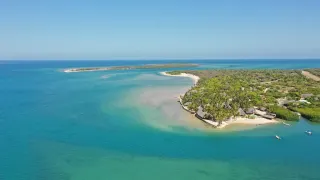
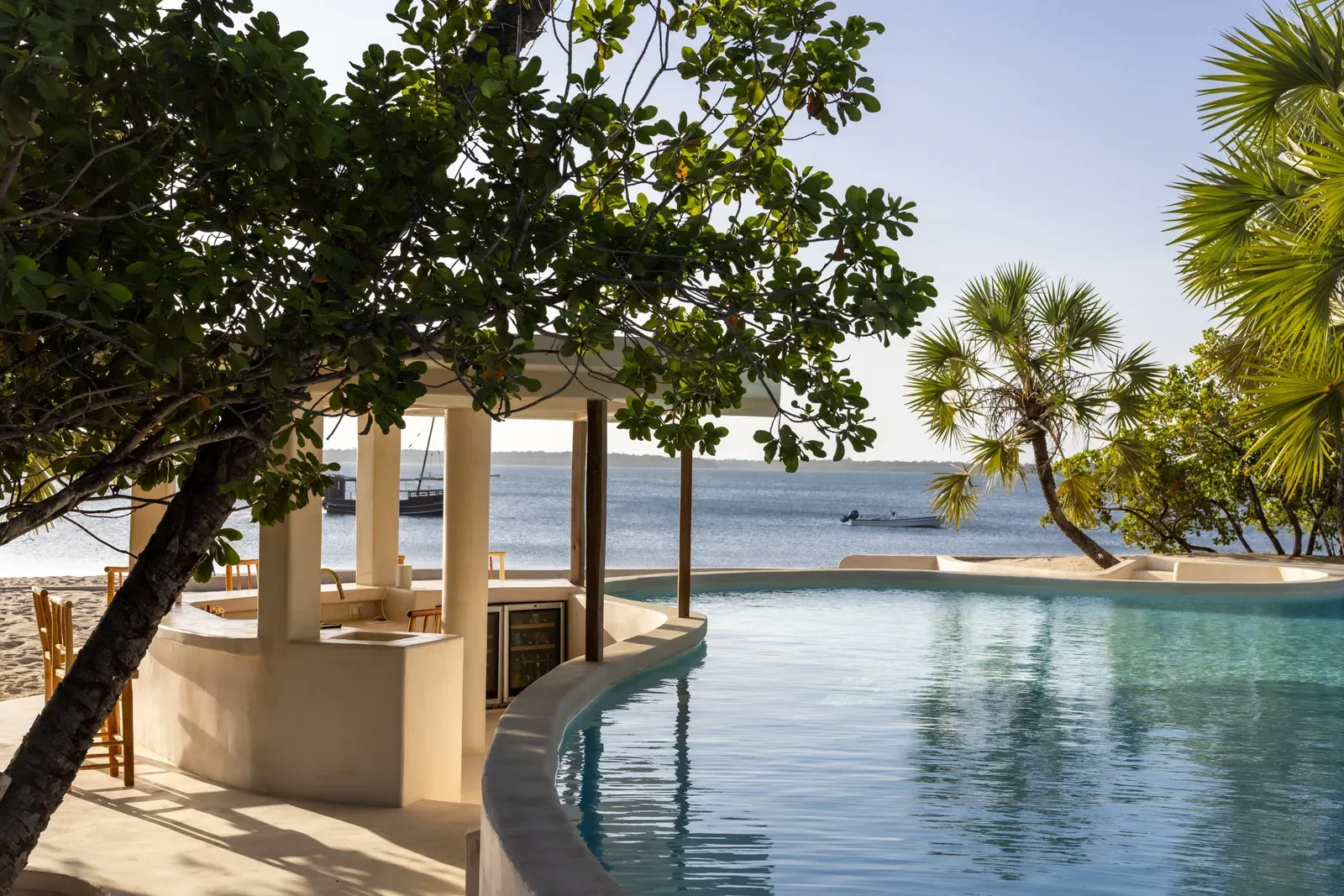
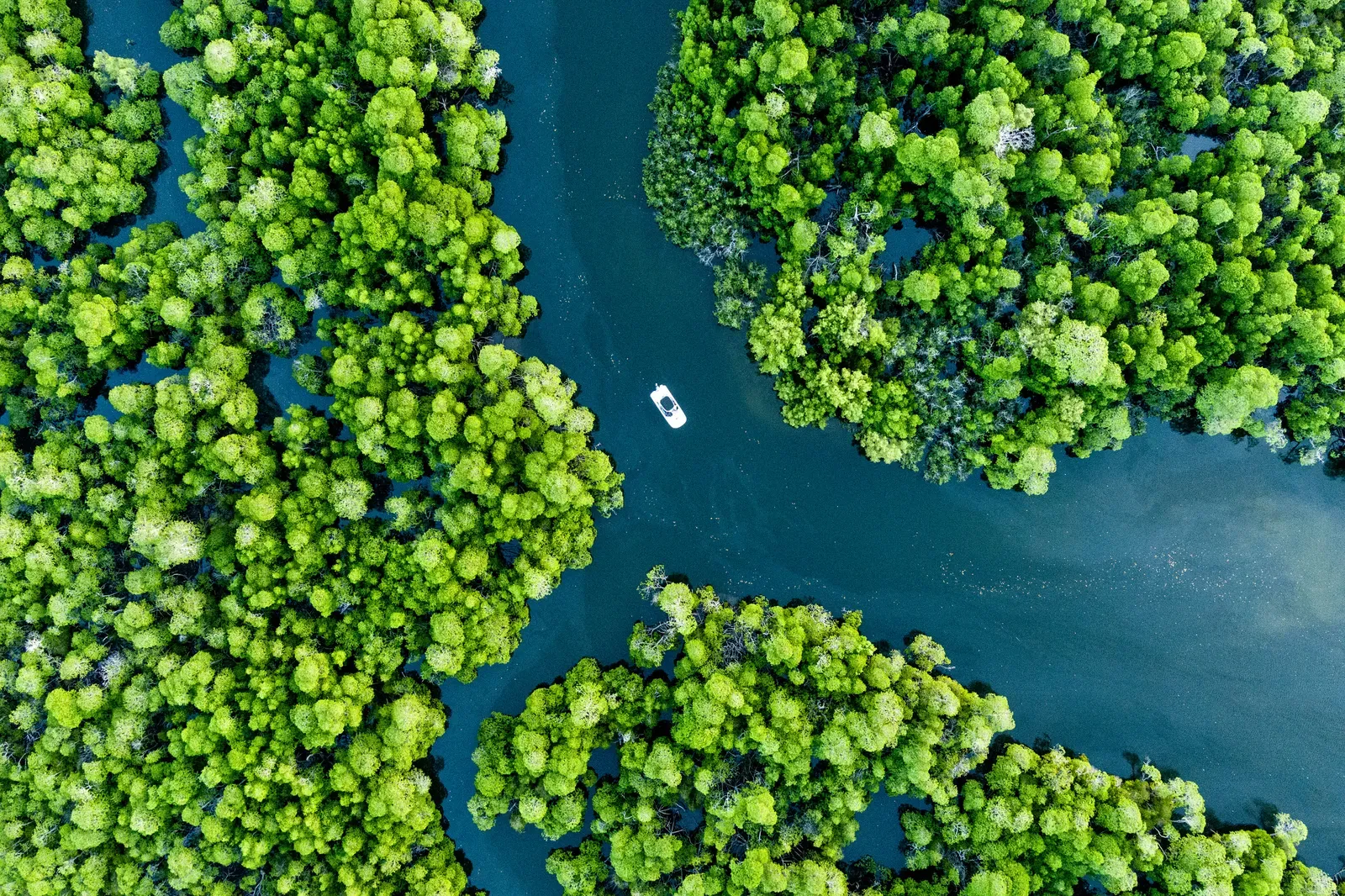
Beyond Lamu town and Shela village, along the island’s quieter coast, lies Kizingoni Beach. The journey to Kizingoni is by boat, along the mangrove-lined channel that separates Lamu Island from the mainland. The Cabanas Lamu occupies a quiet section of Kizingoni’s sand and shoreline, blending beautifully into the landscape. Although it is only a short distance from town, it’s enough to shift your experience entirely. Here there are fewer buildings, less noise, and a stronger sense of the elements that define the archipelago.
The Origins: Restoring the Dunes of Kizingoni Beach
It’s not just its location that distinguishes The Cabanas — it’s the way that location has been shaped over time. This stretch of Kizingoni was once barren, hot sand, exposed to the wind, with very little vegetation. The transformation began with Leslie Duckworth. When she acquired the land on Kizingoni Beach, her first instinct was not to build, but rather to plant.
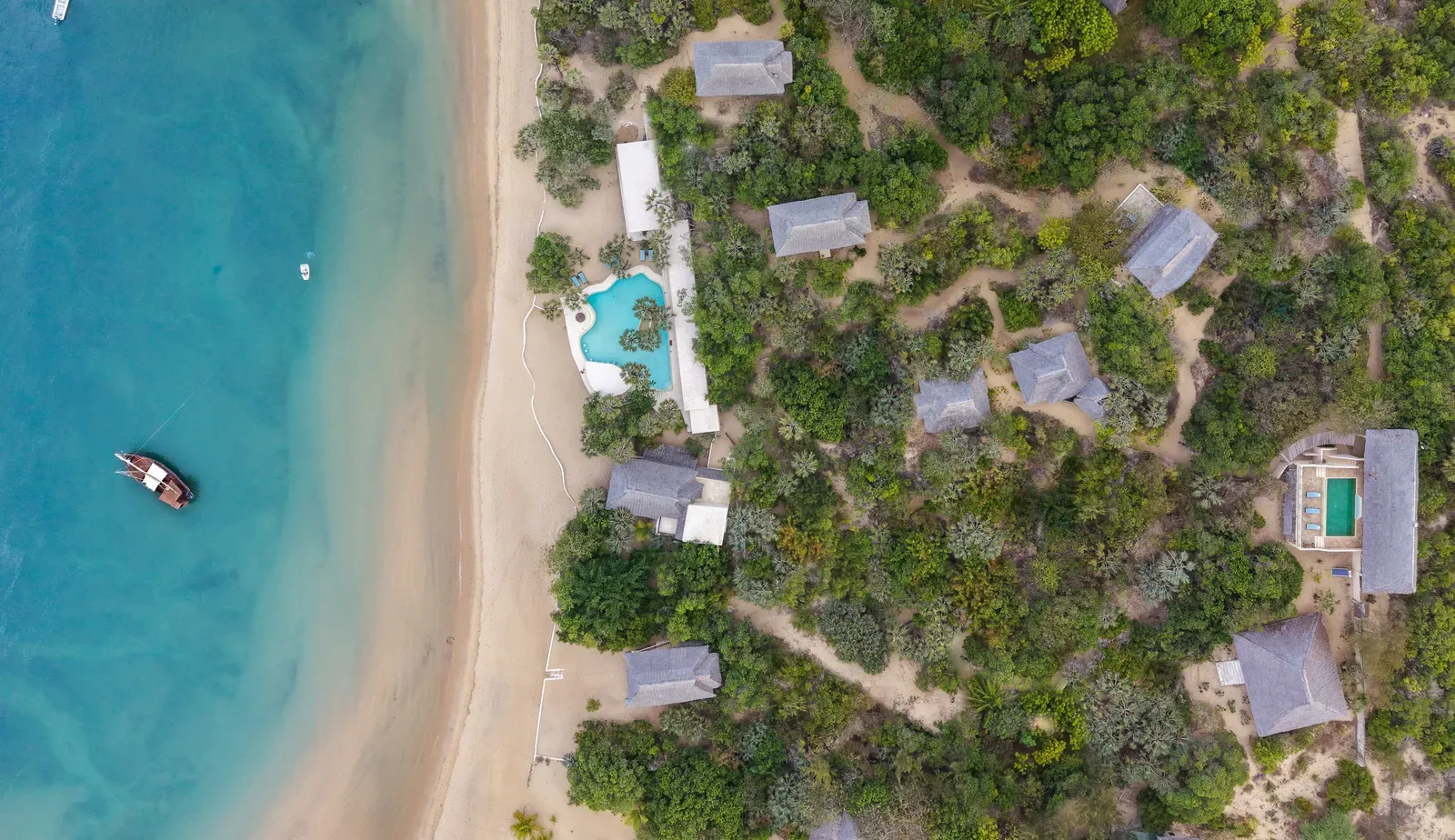
For five years, Leslie focused on planting, introducing palms and other indigenous plants across roughly 24 acres. This was not just ornamental landscaping — it was a serious attempt to stabilize the fragile dune system and restore a microclimate. On Lamu, sand dunes are more than just scenery; they protect the freshwater aquifers beneath the sand and act as buffers against erosion and storms.
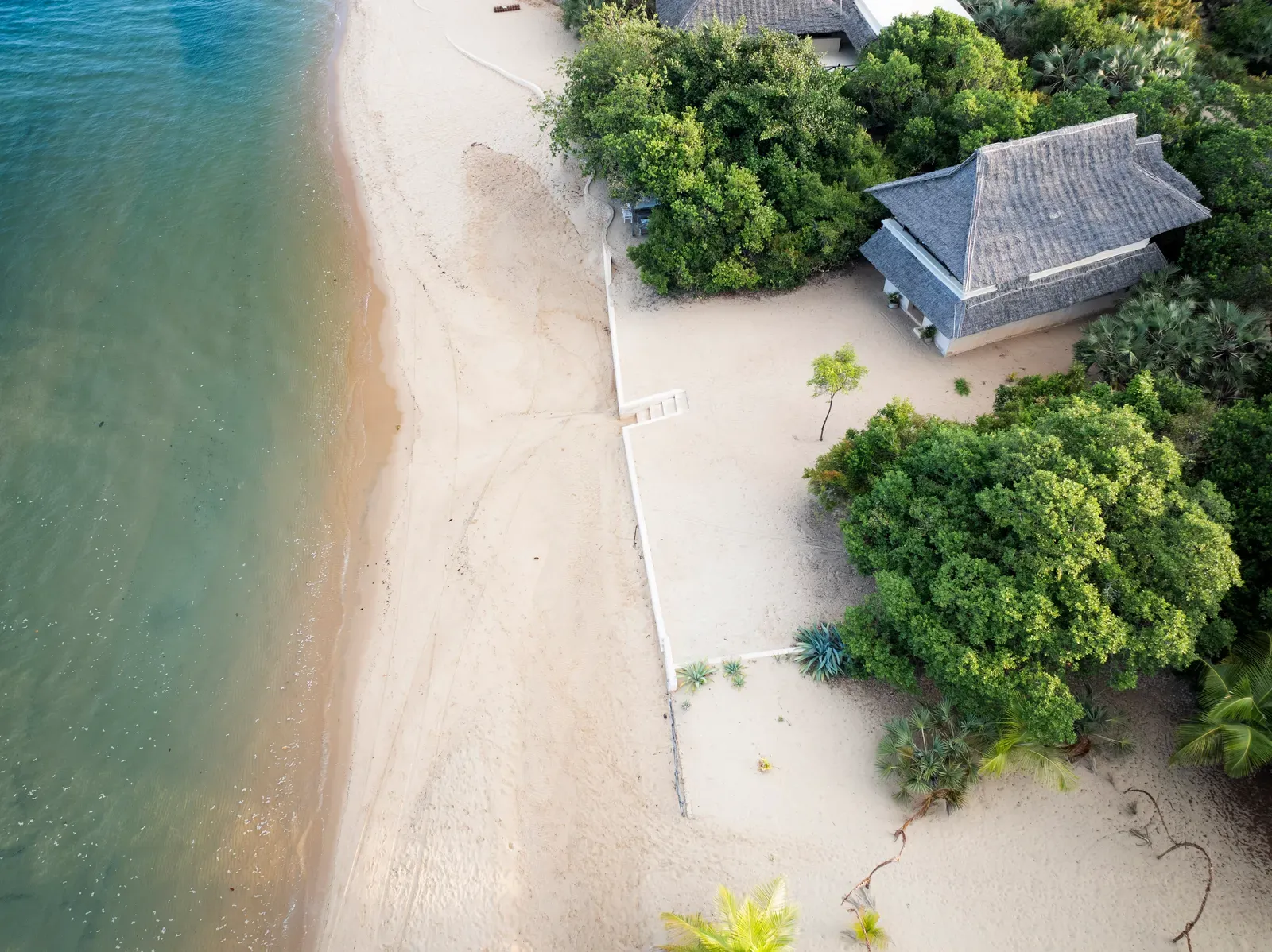
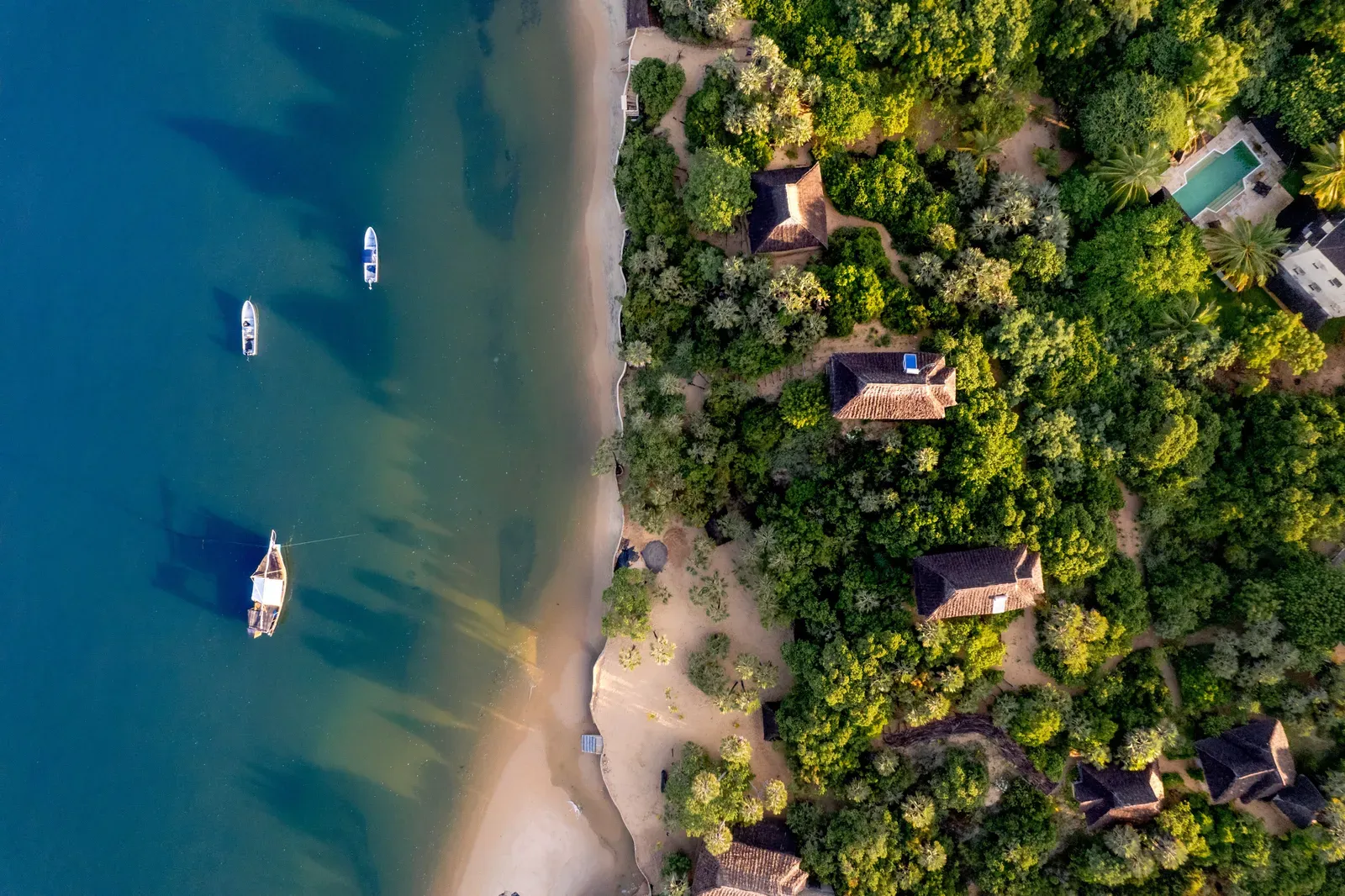
Leslie’s planting gradually altered the terrain. What had once been open and exposed now began to hold moisture and shade. The new vegetation encouraged birdlife and created pockets of cooler air. Only once this was in place did construction begin, with a series of Swahili-style villas designed to sit within, rather than on top of, the vegetation. Leslie’s building approach was as much about restraint as it was about construction — it was about limiting the visual and environmental impact of buildings and allowing the plants to take precedence.
The seven bandas (beach bungalows) that form The Cabanas emerged a little later, developed by Leslie’s daughter Anna and continuing with the same ethos of low-impact design and ecological awareness. The original hut that once served as Leslie’s base, during those early tree-planting years, still exists, though reimagined now as one of the guest cabanas; a reminder that the project began with a single, simple structure on a sand dune.
The Design: Building With Local Swahili Materials
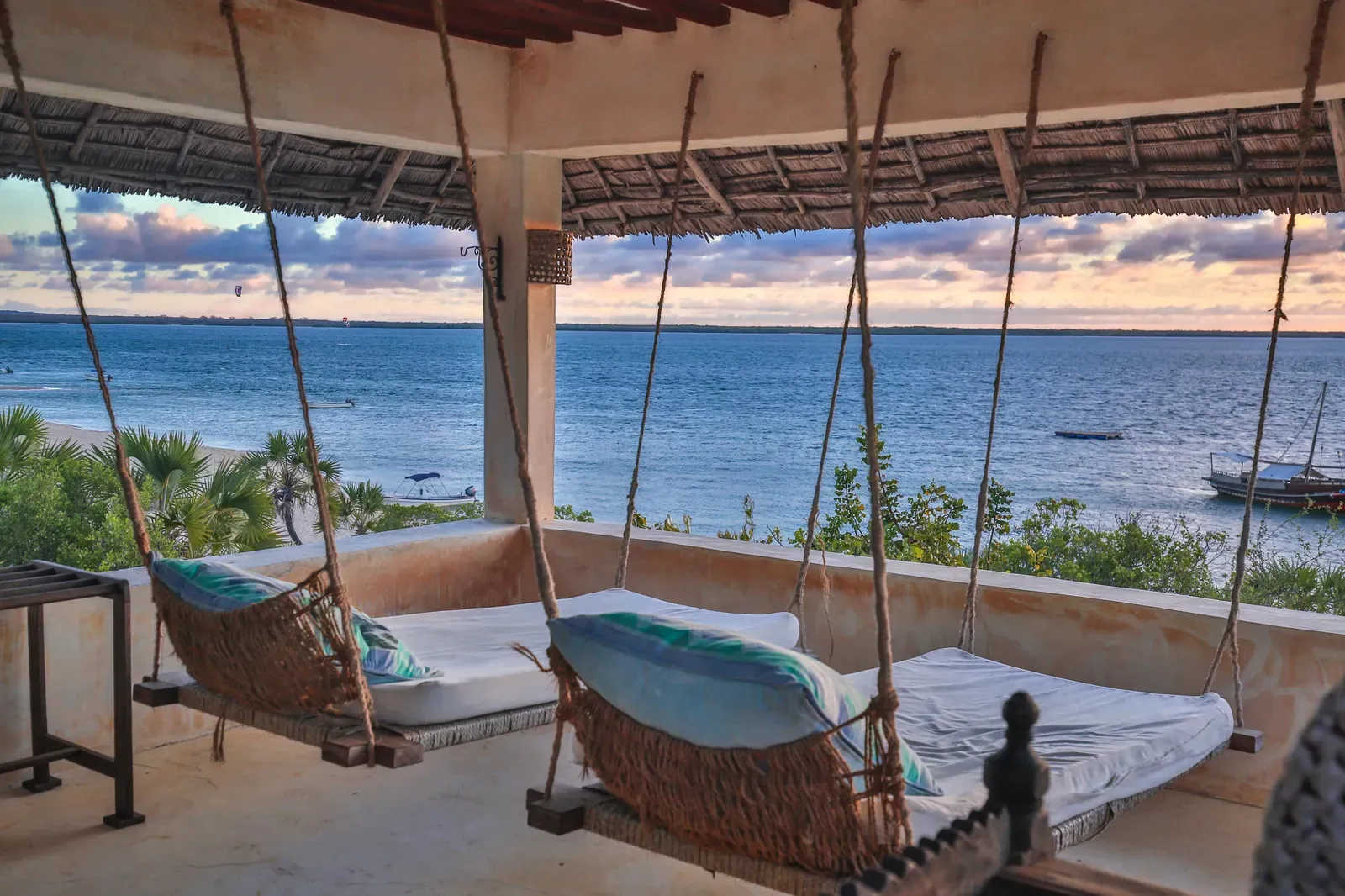
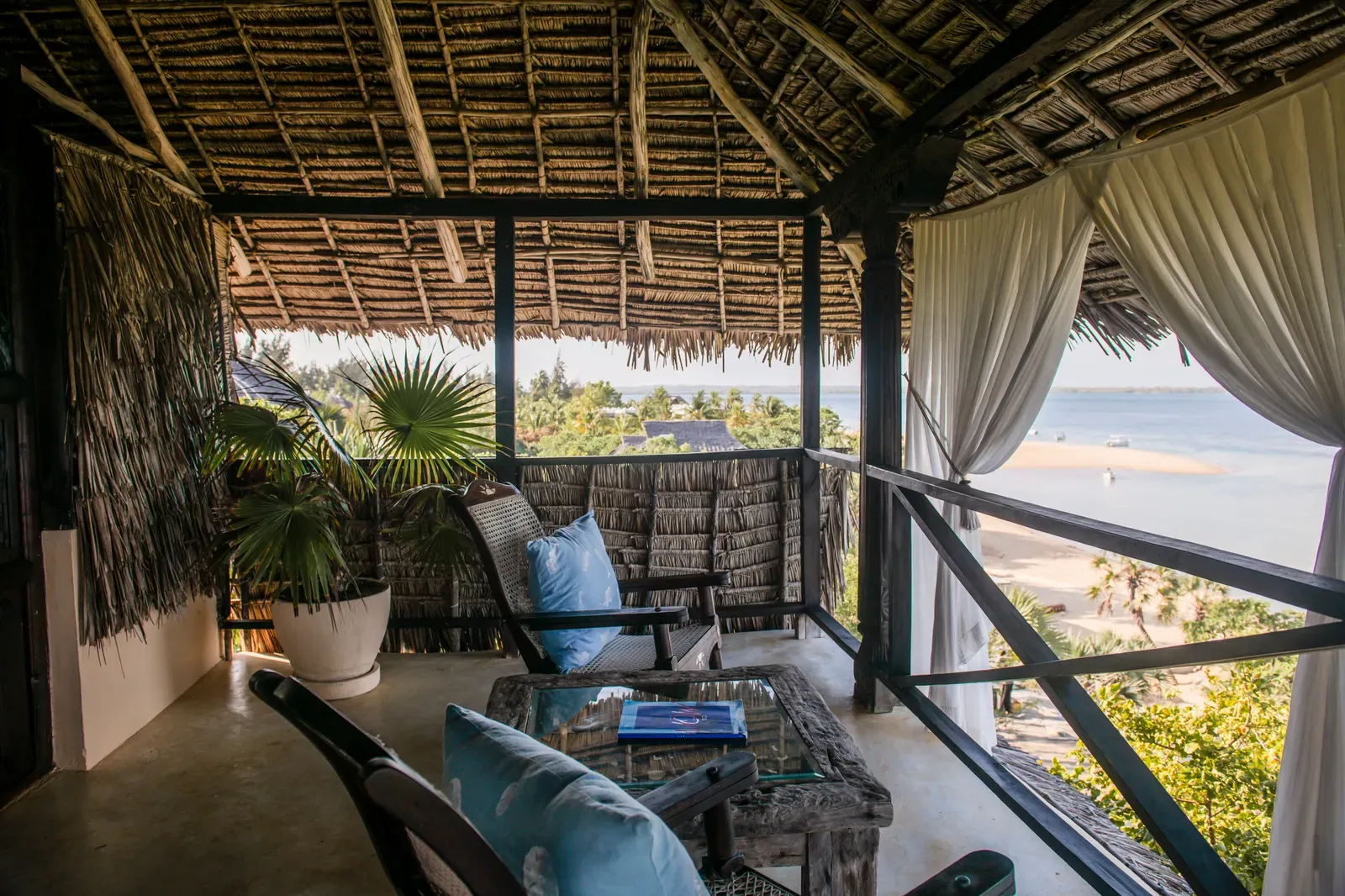
The Cabanas’ architecture reflects this origin story. Rather than imposing a uniform design, Anna and her husband Shawn have constructed each cabana using materials that were already part of the island’s building traditions. Palm thatch, coconut poles, casuarina wood, and coral stone are used not just for aesthetic nostalgia, but because they are suited to the climate and are locally available.
This choice had several implications. First, it reduced the need for imported building materials, lowering the environmental cost associated with transport to an island with limited infrastructure. Second, it ensured that future maintenance could be carried out using local knowledge and skills, rather than relying on external specialists. Roofs, for example, are upgraded periodically using palm leaves, a process that aligns with traditional buildings here on the Swahili coast.
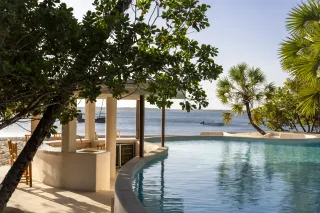
The positioning of each cabana has also been carefully considered. They are spaced to allow airflow and privacy, but also to avoid disrupting root systems and natural drainage patterns. The result is a place that isn’t one single bulky development imposed on the land, but rather a series of structures tucked into a green and growing landscape.
Credit: The Cabanas Lamu
The Infrastructure: Going Off-Grid on Solar Power
Anna and Shawn didn’t commit to being eco-friendly to win any prizes. They are passionate about conservation and committed to operating The Cabanas as sustainably as possible. One of the most significant aspects of their environmental approach was their decision to operate entirely off-grid. By 2022, The Cabanas had achieved 99% renewable energy use. They’d generated 17 megawatts of power from the sun, avoided the use of 13,200 gallons of diesel and 201 tons of associated carbon from being emitted. They’d also reduced their use of LPG gas by over half, with the introduction of electric ovens, air fryers, kettles, and toasters.
Fresh water is given a similar level of attention. On Lamu, freshwater is a limited resource, filtered naturally through layers of sand beneath the dunes. The approach here was to both minimize usage and to install systems that prioritized efficiency — particularly important in a place where over-extraction of groundwater would have had long-term consequences for the island’s ecology.
Credit: The Cabanas Lamu
Related on Green Lodging Guide
 Sarah Kingdom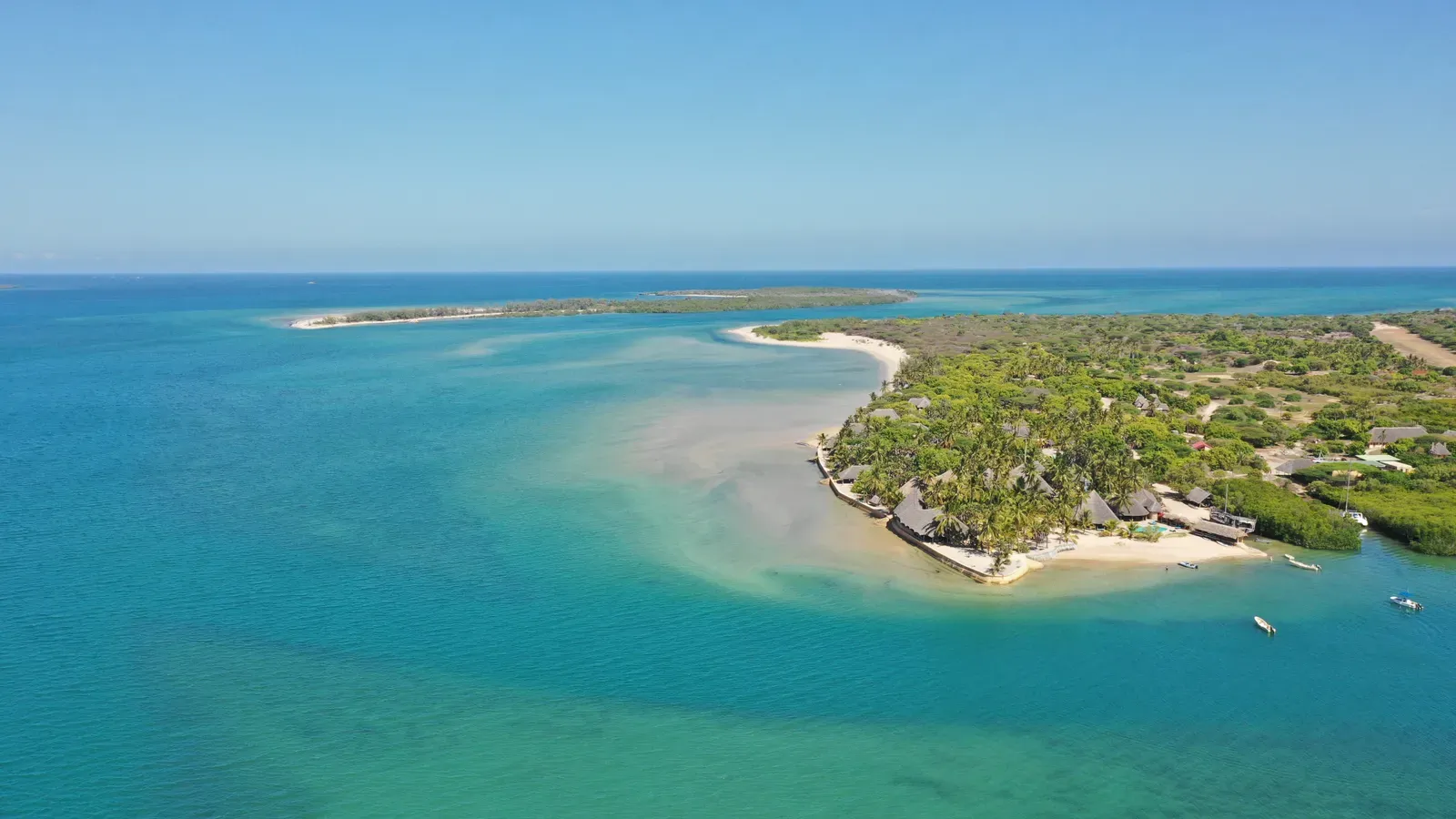
The Food: Locally Sourced Swahili Coast Cuisine
Sustainability at The Cabanas extends beyond the buildings and into the way the food they serve is sourced. The menus are wonderful. Think crab cakes served with homemade tartare sauce, seafood platters, and Swahili fish curry with chapattis, all prepared with ingredients that are obtained locally, either from local markets, smallholder farmers, or fishermen in neighboring villages. This approach supports local livelihoods, while reducing the need for imported ingredients.
The Green Scene
At The Cabanas, sustainability is the quiet foundation of the whole experience rather than a headline. The land itself was regenerated instead of cleared — more than two decades of planting across some 24 acres have stabilized the dunes that shield Lamu’s freshwater aquifers and drawn back birdlife and shade. The seven bandas run almost entirely off-grid on solar power, built and maintained with local materials and local hands, while the kitchen sources seafood and produce from nearby markets, farmers, and fishermen. The result is a place that protects its stretch of coast, sustains the community around it, and carries the Swahili building traditions of the archipelago forward.
The Legacy: Regenerative Tourism on Lamu Island
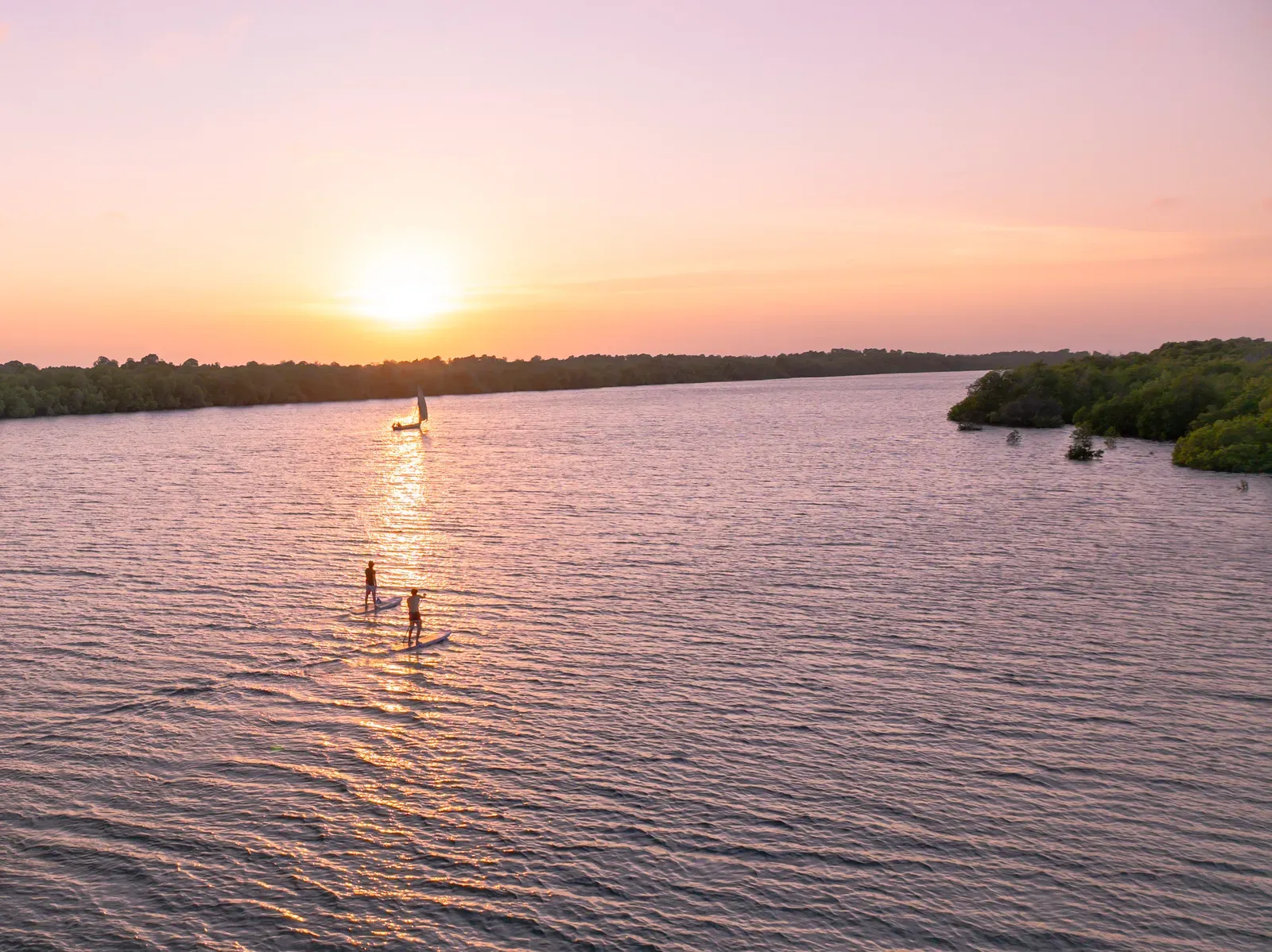
The Cabanas is not a story of untouched wilderness, but of a landscape that has been carefully restored over time. In a region where pressure on land and natural resources is increasing, it shows how tourism development can work with the local environment rather than against it. It is not a blueprint that can simply be copied elsewhere, but it demonstrates how long-term thinking and practical environmental measures can create a more balanced relationship between hospitality and the landscape around it.
Frequently Asked Questions
How do you get to The Cabanas Lamu?
The Cabanas sits on Kizingoni Beach on Lamu Island, off Kenya’s northern Swahili Coast. Like everywhere in the Lamu Archipelago, you arrive by boat — a short ride along the mangrove-lined channel that separates the island from the mainland. It’s only a short distance from Lamu Old Town and Shela, but far enough to feel like a world of its own, with fewer buildings, less noise, and a stronger sense of the elements.
What makes The Cabanas Lamu sustainable?
Sustainability is the quiet foundation of the whole property. The land was regenerated rather than cleared — more than two decades of planting across roughly 24 acres have stabilized the dunes that protect Lamu’s freshwater aquifers and brought back birdlife and shade. The seven bandas run almost entirely off-grid on solar power, reaching 99 percent renewable energy use by 2022, and they’re built and maintained with local materials such as palm thatch, coconut poles, casuarina wood, and coral stone.
What is the food like at The Cabanas Lamu?
The kitchen leans into the flavors of the Swahili Coast, with dishes like crab cakes served with homemade tartare sauce, seafood platters, and Swahili fish curry with chapattis. Ingredients are sourced locally — from nearby markets, smallholder farmers, and fishermen in neighboring villages — which supports local livelihoods while reducing the need for imported goods.
What kind of accommodation does The Cabanas Lamu offer?
The property is made up of seven bandas, or beach bungalows, each built in the traditional Swahili style and tucked into the vegetation rather than set on top of it. They’re spaced for airflow and privacy, and designed to sit lightly on the landscape. One cabana is the original hut that once served as founder Leslie Duckworth’s base during her early tree-planting years.
Most Popular Posts